
Get to know the Discovery Award winners from Manchester, Olot and Serralunga d’Alba
The We’re Smart® Green Guide recognises the efforts of new, newly discovered or re-opened restaurants. In countries where there are at least three newcomers with three radishes or more, the Discovery of the Year award is presented at the annual show. This month we introduce The Walled Gardens, Les Cols and La Rei Natura.
“Plants and flowers are not garnish; they are the whole story.”
Chef Eddie Shepherd of The Walled Gardens in Manchester UK #30
In Manchester’s Whalley Range, chef Eddie Shepherd turned the downstairs floor of his home into one of the UK’s most personal dining rooms. The Walled Gardens welcomes just eight guests per night, for a plant-based tasting menu that feels like a mix between an underground supper club, a chef’s table and a private salon. The whole experience is built around plants, flowers and seaweeds – botanical cooking as the main act, not as a side show. Shepherd creates his menu with a 100% pure plant vision: “I still give guests an option on which type of butter they would like (here in the north-west bread and butter is serious business) but I also offer a butter made with vegetable oils infused with toasted hay and some ferments, so you get that flavour of the British countryside in the summer. This becomes something special all its own.”
Shepherd has spent years pushing what vegetables can do on the plate. He works alone in the kitchen, which means he can design the menu down to the smallest detail and talk guests through every course. He explains where his ingredients come from, which herbs and flowers he grows himself, what he has foraged that week, and which small producers supplied the rest.

Cooking for eight, thinking about the planet
Because he knows exactly what each guest will eat, waste can be reduced to an absolute minimum. Shepherd loves using every part of an ingredient: cabbage becomes both a garnish and a ferment, stale bread returns as crackers, and distillations capture fleeting flavours he wants to revisit later in the year. His menu is available in both vegetarian and vegan versions, proving that a fully plant-based approach can still feel generous, complex and celebratory.
The domestic setting reinforces the message. There is no separation between restaurant and life: guests step directly into the world of the chef, share his table and taste his ideas about a more thoughtful way of eating. It is small-scale by design, yet big in impact – a quiet demonstration of how much is possible with plants when craft, creativity and conscience come together. Like with seaweed, Shepherd’s obsession: “How they bring savouriness and umami into food is so powerful and being an island the UK has so many fascinating varieties growing off our coasts. I don’t work with seafood, so seaweed offers this world of flavours from the sea I really want to explore and share.”
The Walled Gardens, Alness Road, Whalley Range, M16 8SP Manchester, United Kingdom
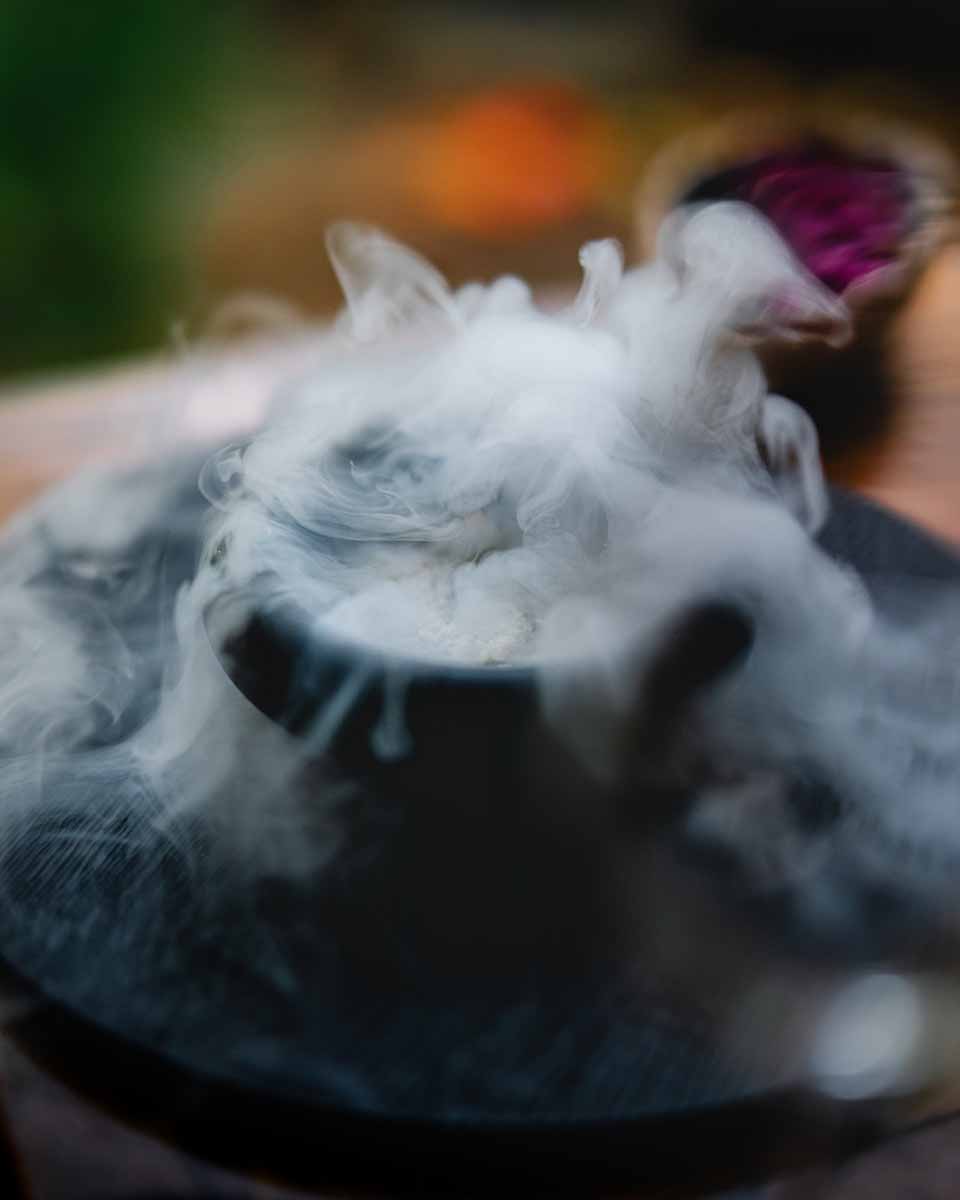
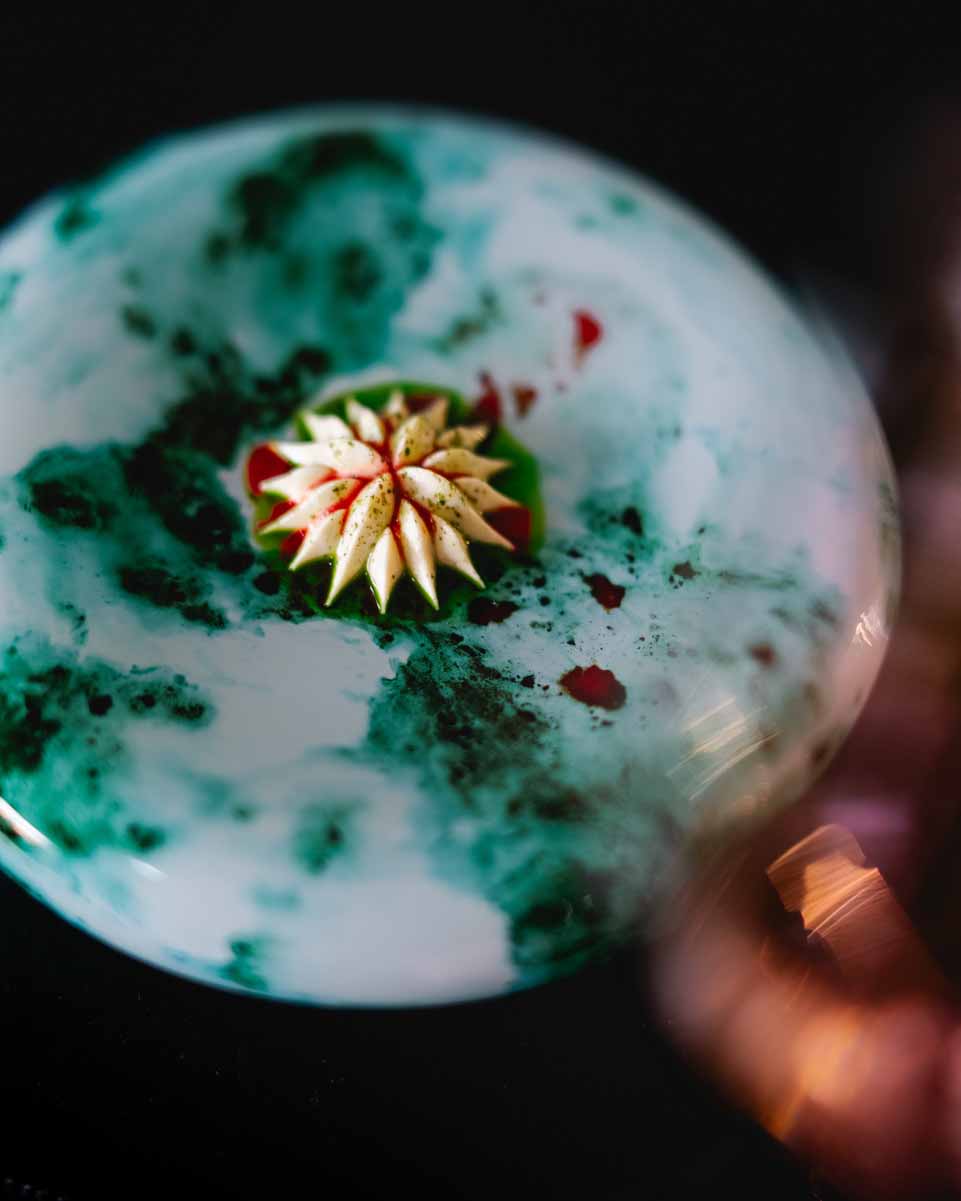
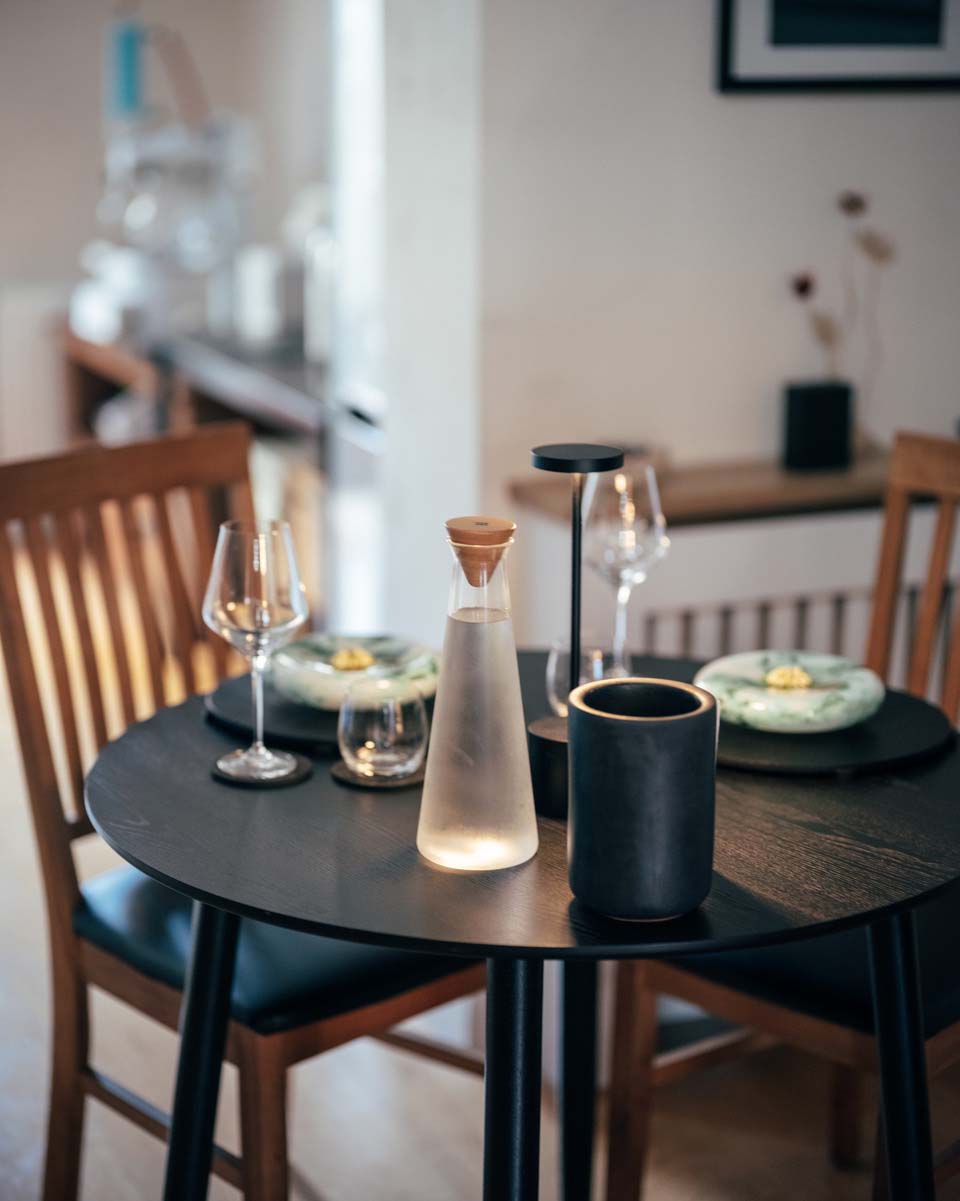
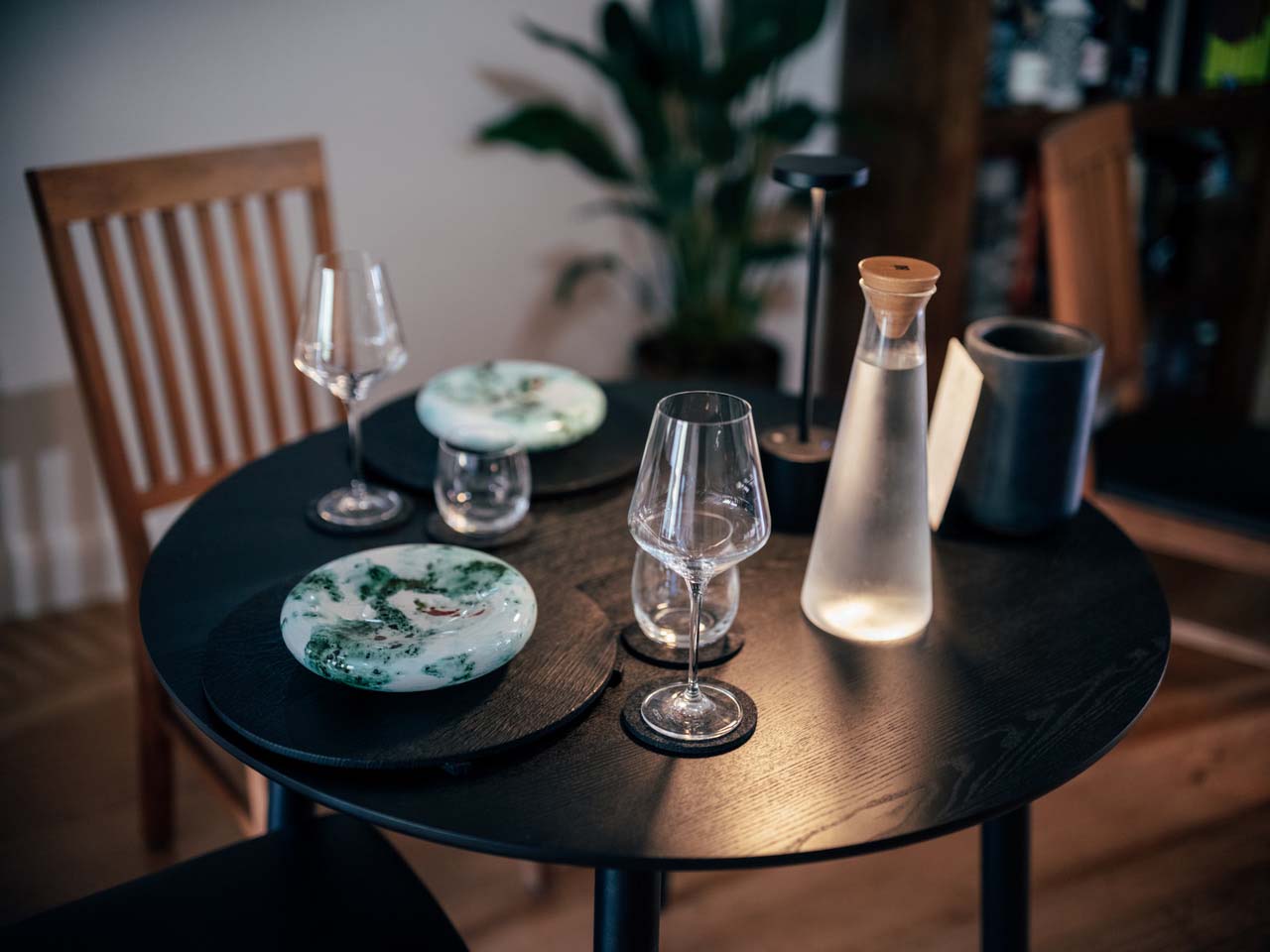
Intimate setting / photo courtesy of The Walled Gardens
“Food that grows here deserves to shine on the plate.”
Chef Fina Puigdevall of Les Cols in Olot in Spain #81
At the edge of Olot, in a traditional masia (farmhouse) with a bold contemporary extension, Fina Puigdevall has created a world where the volcanic landscape of La Garrotxa speaks through every course. She opened Les Cols in her family home in 1990, long before “farm-to-table” became a trend, working with her husband Manuel Puigvert and now with her daughters Clara, Martina and Carlota. Together they have built a restaurant that could only exist here, among orchards, vegetable plots and the dark soil of the Pyrenean foothills. Puigdevall named it “Les Cols”: “My grandfathers’ family name is Cols and he started the farm. Cols also means cabbage in Catalan; this is a vegetable we love to cook”
Puigdevall’s cooking is rooted in the most modest ingredients from the region: onions, beans, cabbages, eggs, buckwheat, wild greens. She likes to show how these staples can be transformed when they are treated with precision, patience and imagination. The family keeps their own kitchen garden and orchard, and they actively protect old varieties and forgotten plants that belong to this corner of Catalonia. Buckwheat has a star role on the menu Puigdevall insists: “La Garrotxa, where we are located- is the only place in Catalunya where this grain is traditionally harvested. It has survived times where it was hardly cultivated and eaten, due to fashions and invasions from other food. We cultivate it in our garden in La Vall de Bianya, using it in our cuisine as a local product very close to us with a universal dimension.”

A kitchen that listens to the land
Les Cols is not just about what is on the plate but also how guests move through the space. On some days, the first taste happens outside, under the sky, before guests are led into the transparent dining rooms that look out onto the garden. The rhythm of the menu follows the fields: winter brings roots and preserved flavours, spring and summer bring greens, flowers and light broths that feel as if they were lifted straight from the landscape.
Puigdevall’s approach to sustainability is hands-on and calm. She prefers ingredients that come from nearby, grown or raised by people she knows, and uses her restaurant to keep local food culture alive. The result is a cuisine that feels both timeless and very current: deeply comforting for those who grew up in the region, eye-opening for visitors who discover how rich “simple” food can be when it is grown with care and cooked with respect. She sees her role evolving in the hand-over to her daughters: My role as the chef remains the same. However, the new generation contributes with a young perspective, creating an intergenerational dialogue, exchanging ideas in a more horizontal way of communication.”
Les Cols, Carretera de la Canya, s/n, 17800 Olot, Spain
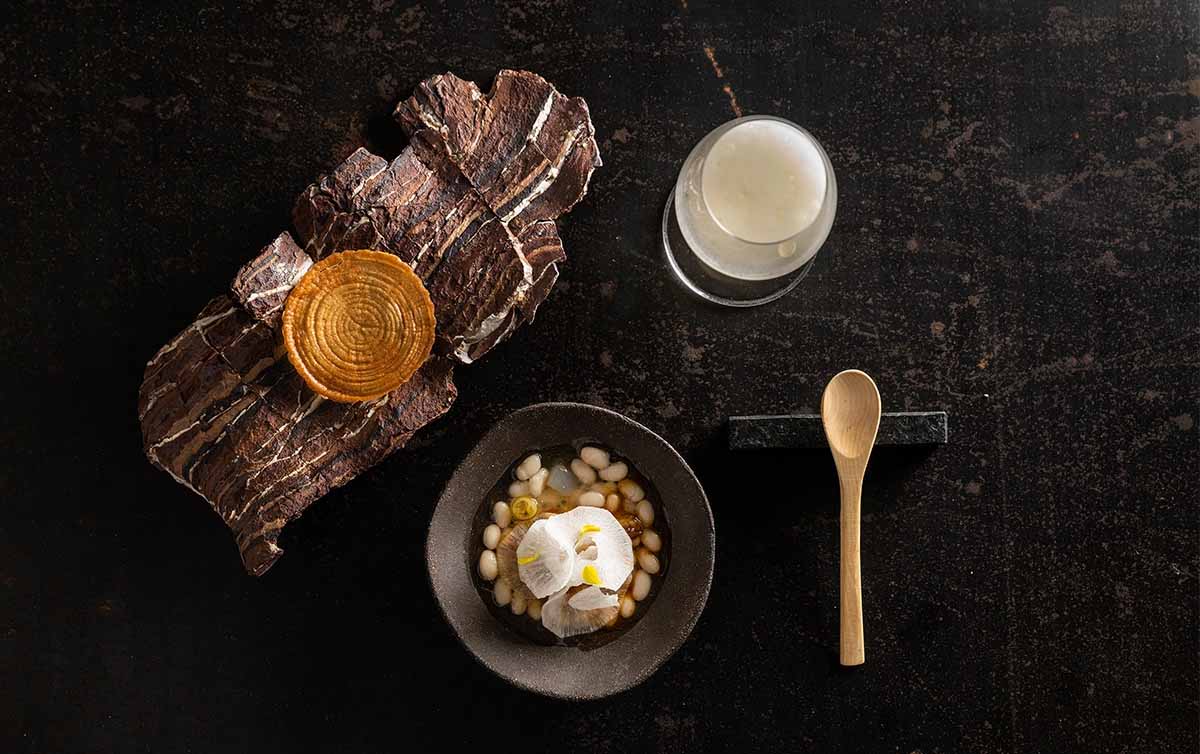
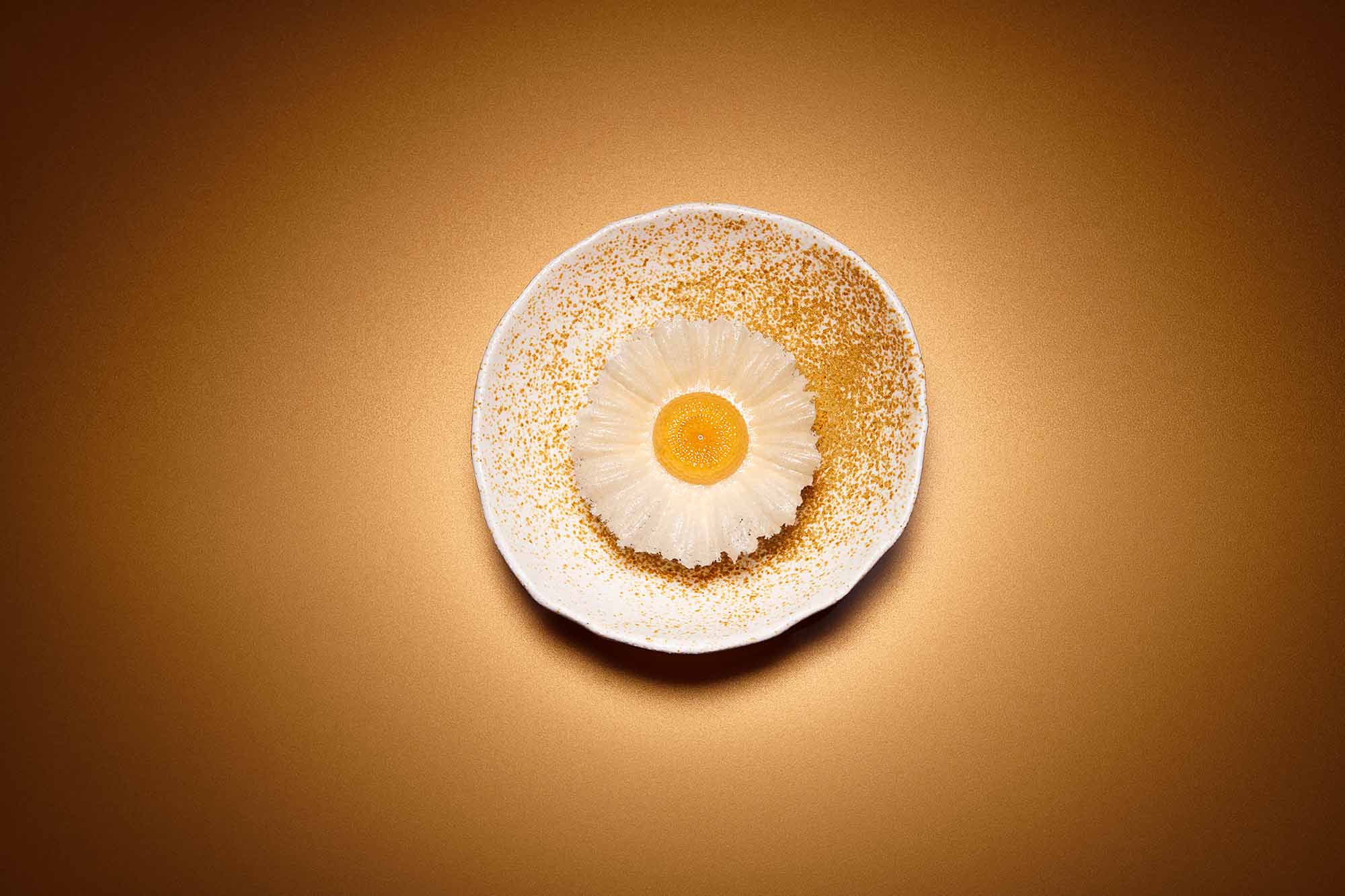
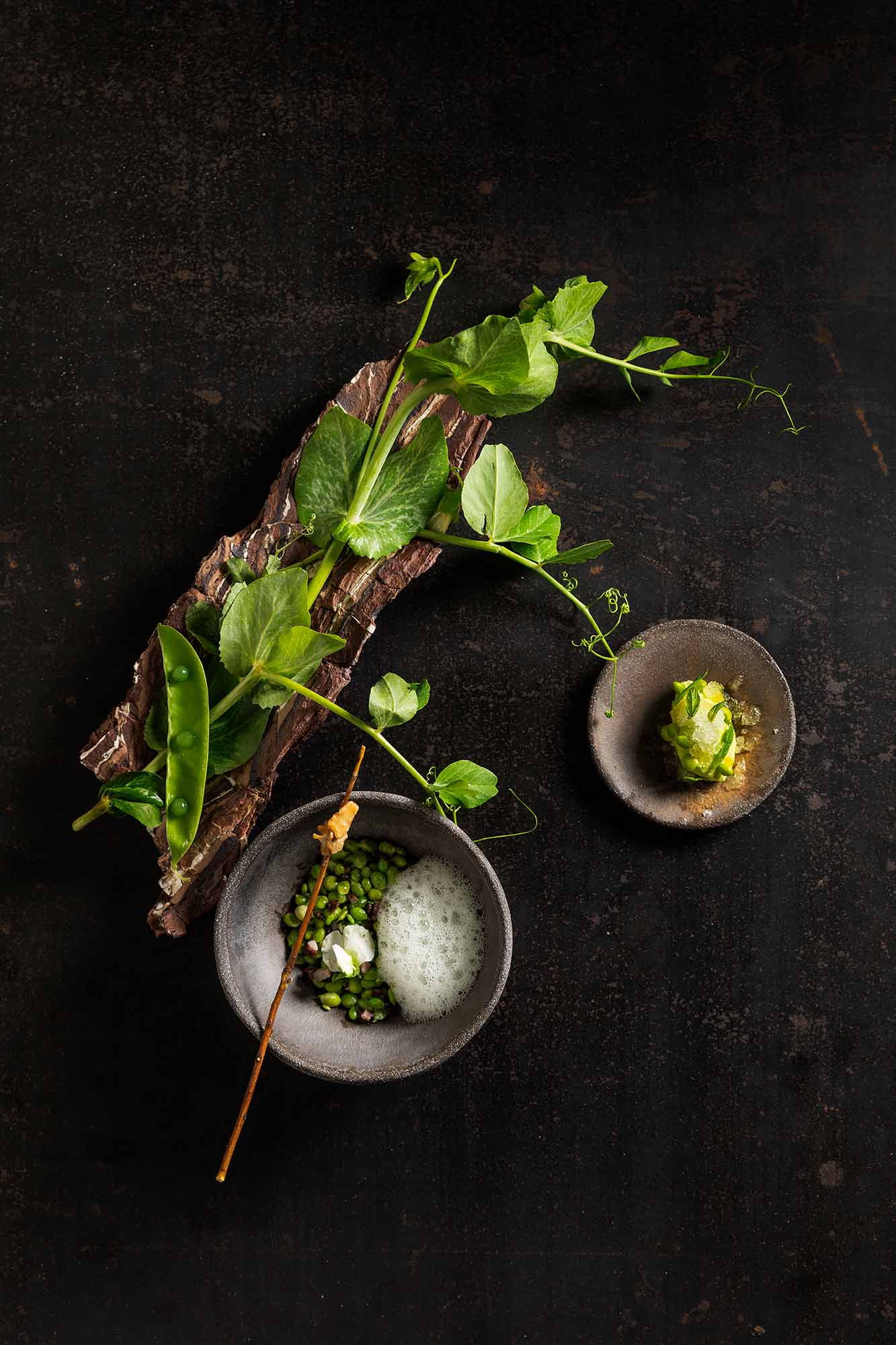
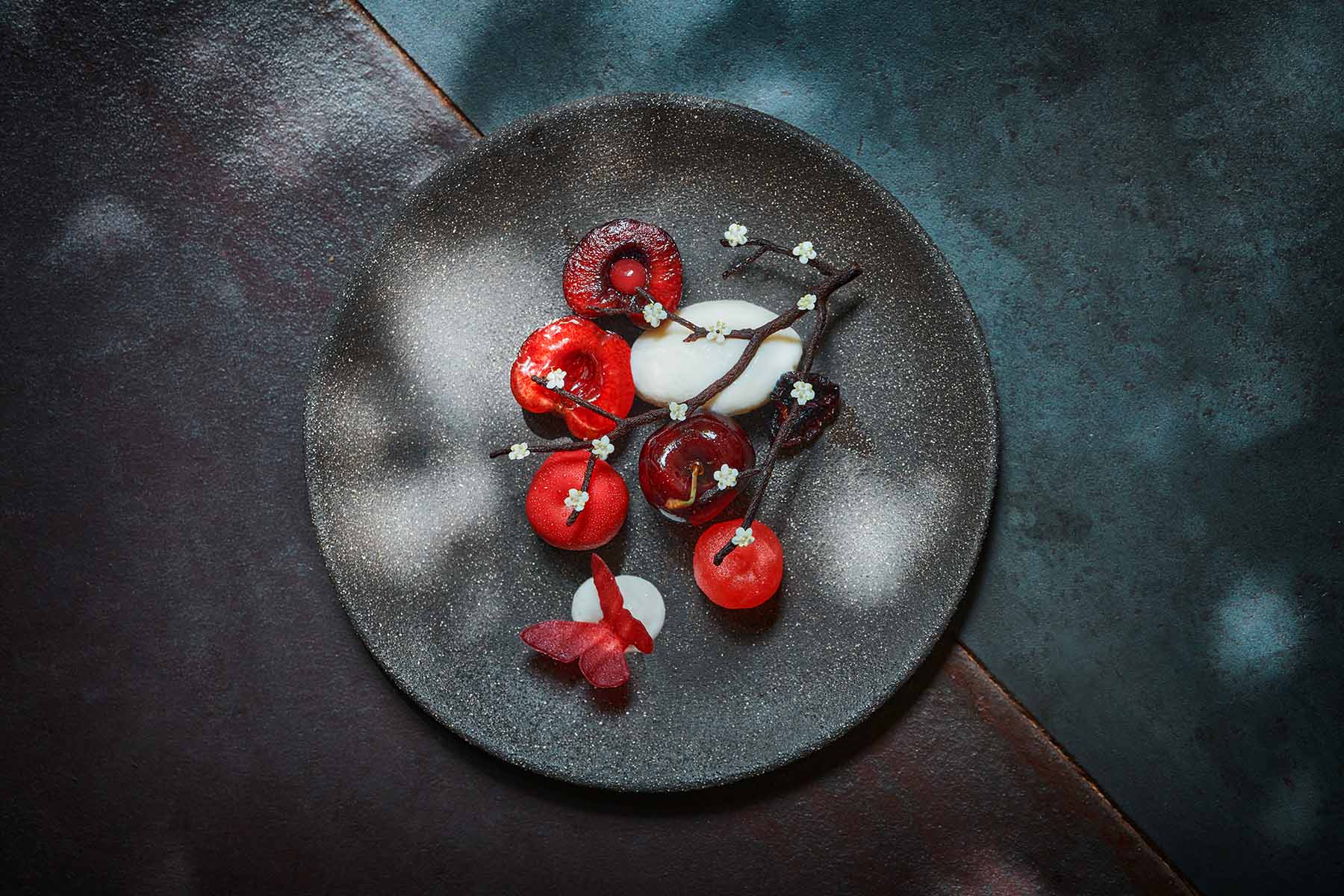
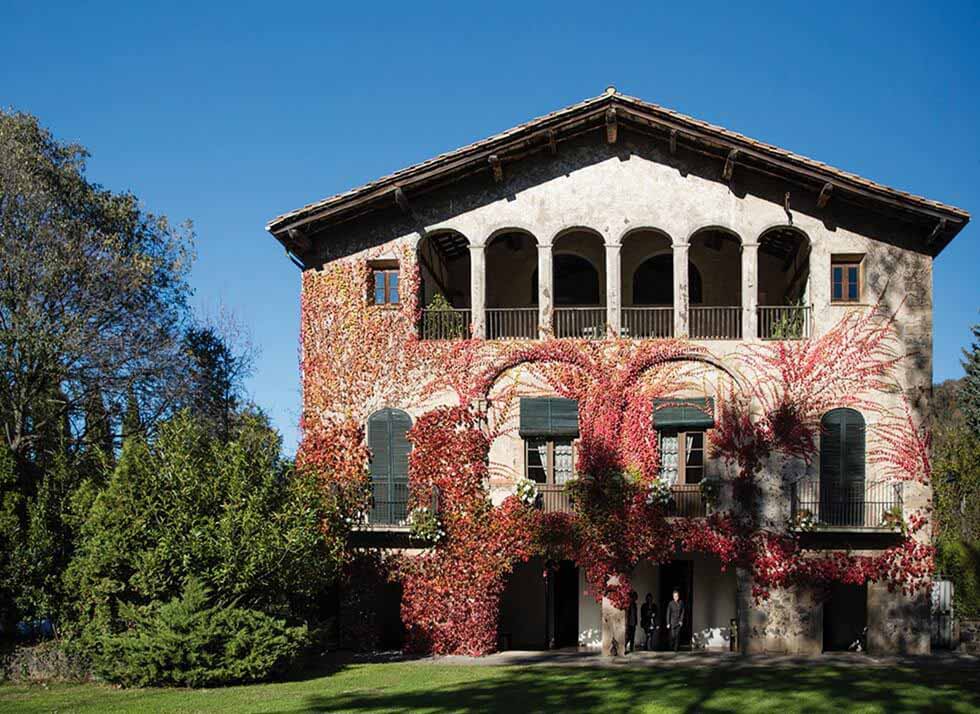
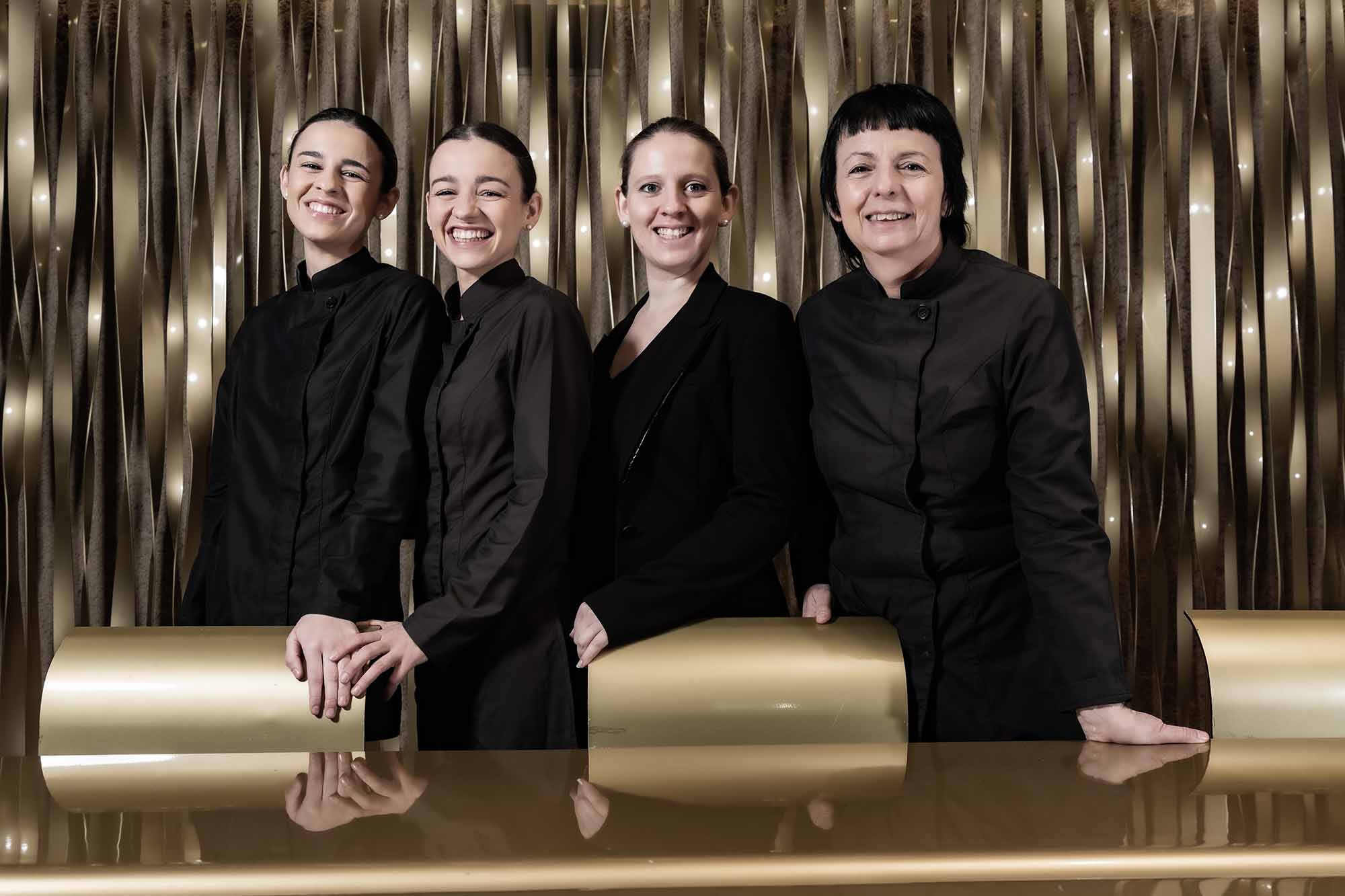
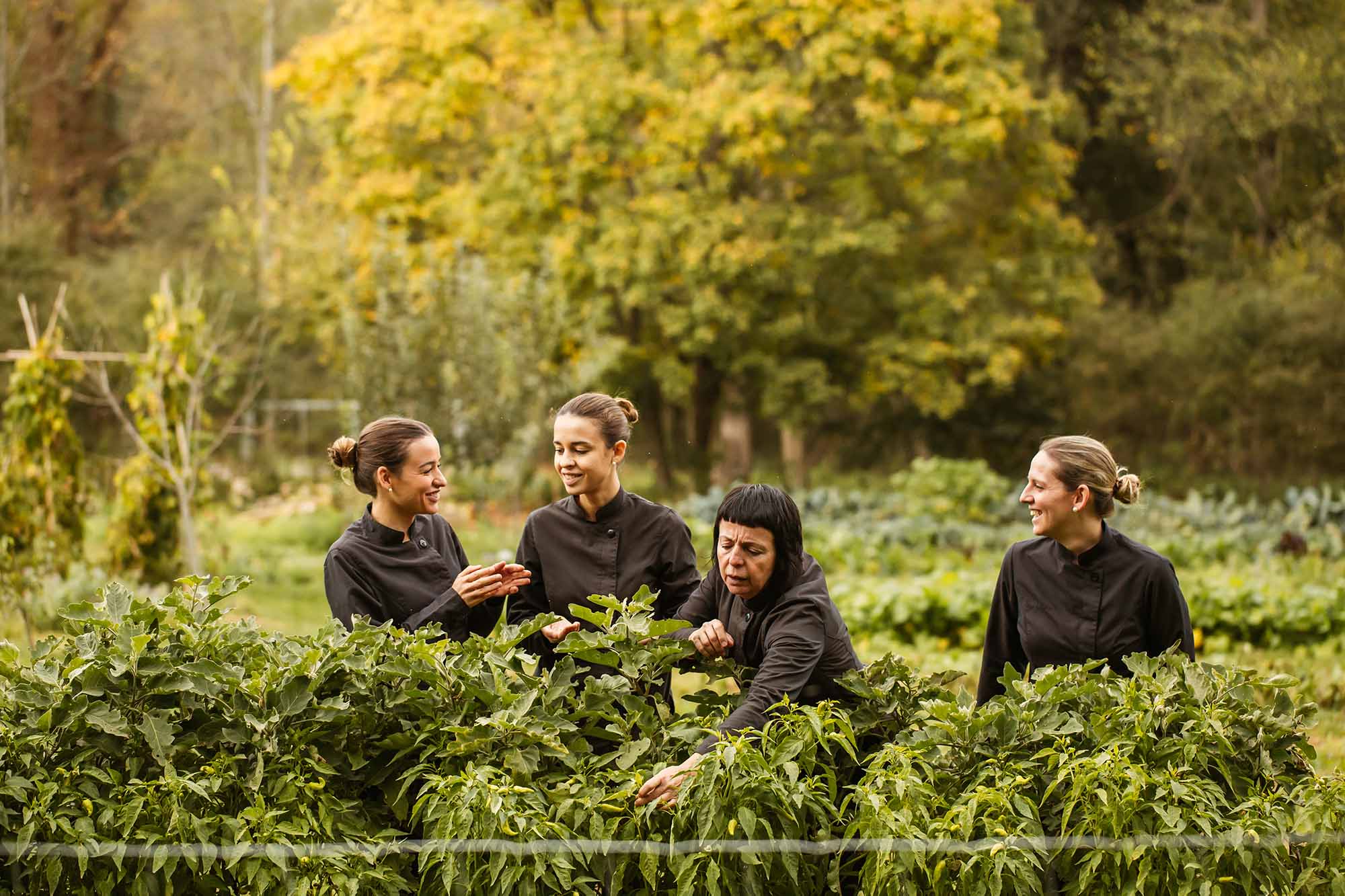
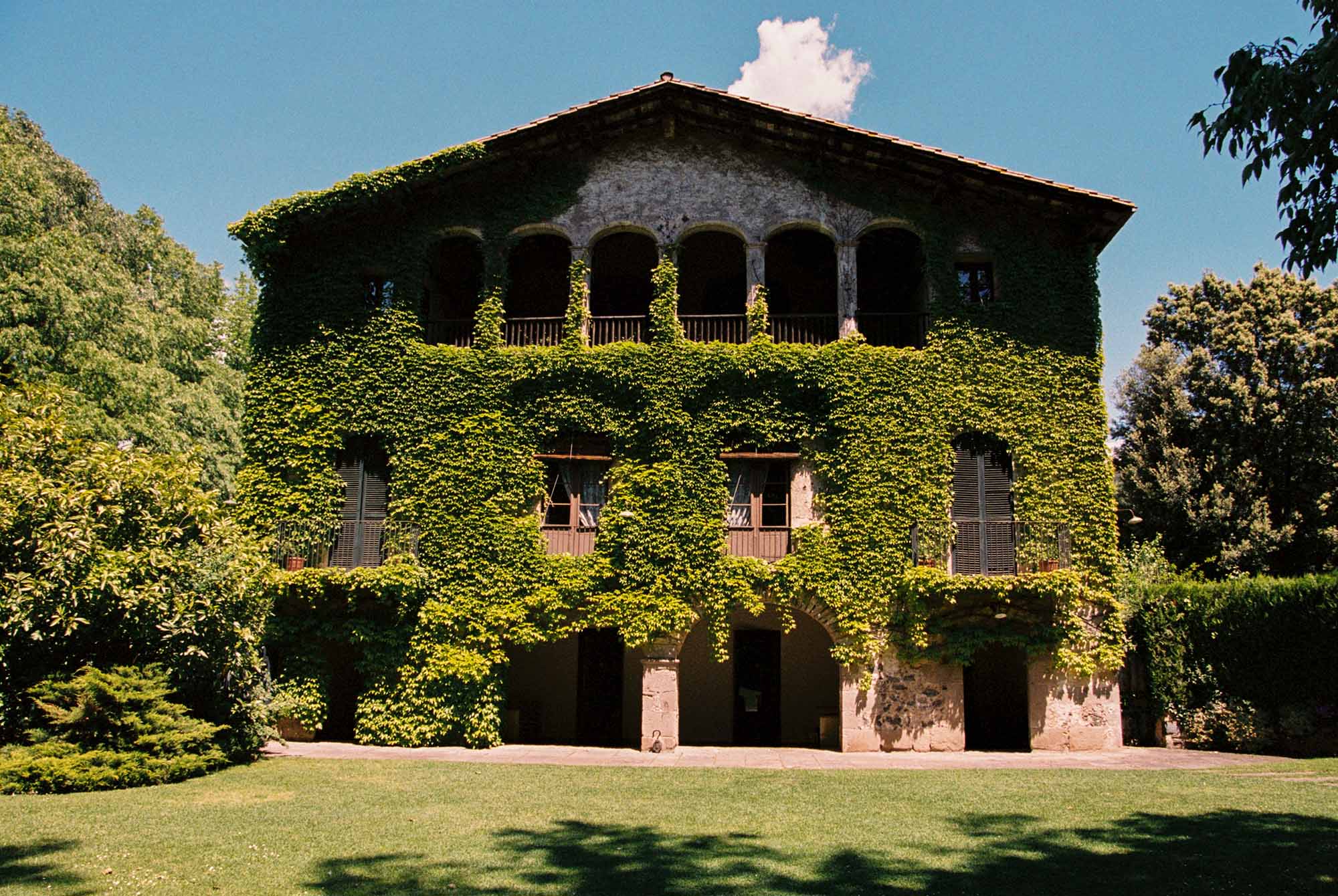
Photos courtesy of Les Cols
“Nature always guides my actions and choices.”
Chef Michelangelo Mammoliti of La Rei Natura in Italy #20
In the rolling vineyards of the Langhe, at Il Boscareto Resort & Spa, Michelangelo Mammoliti leads La Rei Natura with a clear conviction: vegetables and herbs can be as luxurious and expressive as any classic delicacy. After years spent in some of France and Italy’s most demanding kitchens, he returned to Piedmont with the ambition to bring together high gastronomy, memory and the living energy of a garden. La Rei Natura is the result – a restaurant where the landscape and the glasshouse are as important as the stove. Mammoliti is extremely happy to be in the top 20: “The guide brings together all the restaurants that champion sustainable initiatives focused on nature. Joining a culinary circle alongside true titans of gastronomy like Crippa, Glenn Viel, and other chefs far greater than myself is simply an immense honour.”
Behind the dining room lies a large vegetable garden and a greenhouse of around 200 square meters, filled with more than 150 different seed varieties. For Mammoliti, this is his “memory bank”: each plant, leaf and flower is catalogued in his mind, associated with a story, a season, a person. He cooks “through” nature rather than just with it, translating its moods into dishes that can be playful, emotional or meditative. Mammoliti explains: “There are years when produce is abundant and beautiful, and other years—like this one—when it is a real struggle to source specific ingredients. So, you must organize yourself around the plant kingdom. If nature offers one thing today, we use that; if tomorrow it yields something else, we pivot to that, without being rigid or standardized about our ingredients. You follow the micro-seasons that exist within each broader season.”
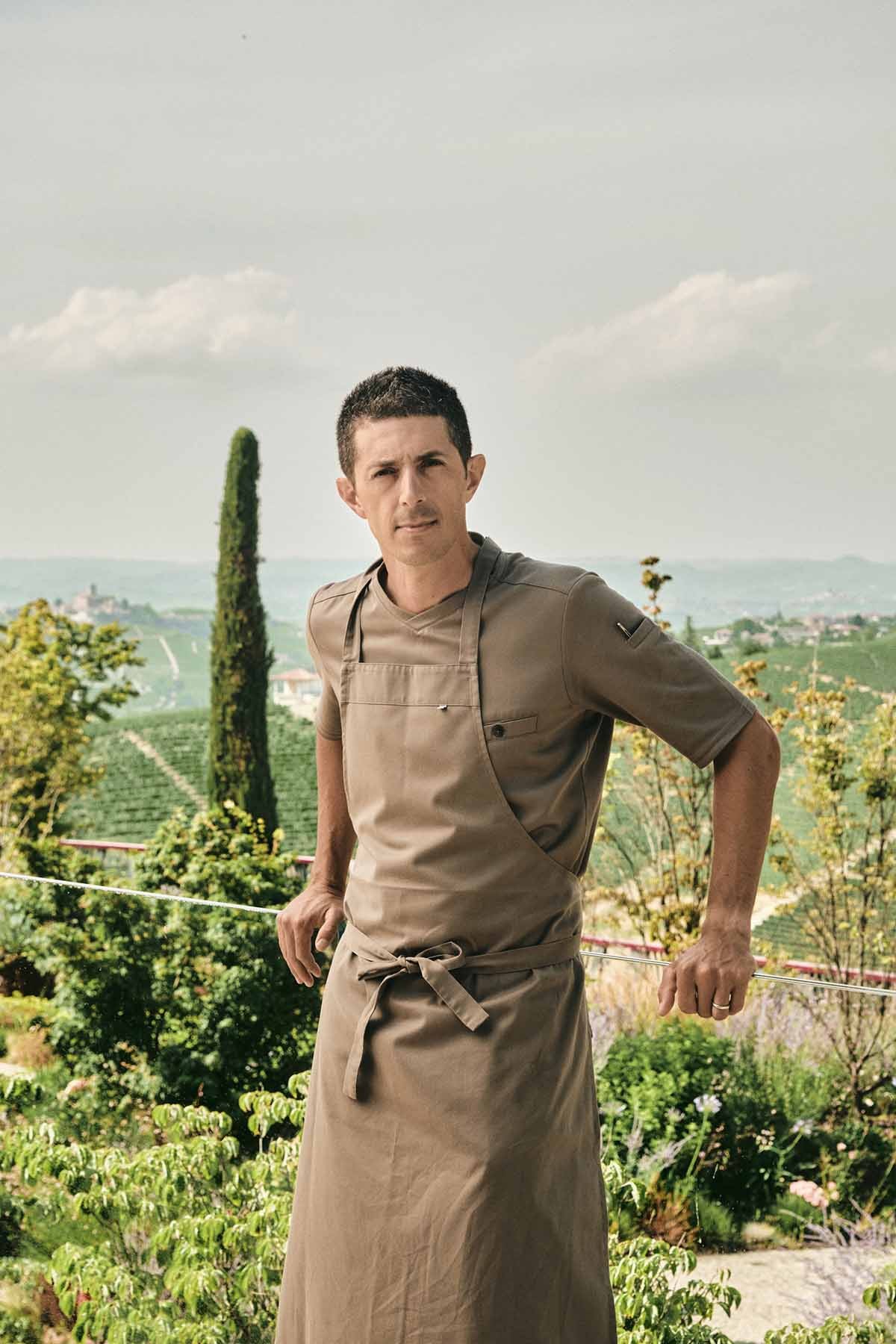
A garden-led vision in the Langhe
On the plate, this means that a carrot, a courgette or a tomato might take centre stage, supported by broths, infusions and extracts that build intensity without heaviness. Mammoliti reimagines local recipes in a vegetable-forward way – for example by echoing the structure of traditional dishes while replacing meat with layered plant textures and aromas. Like his pizza, or rather “Americanino”. a spaghetti dish that captures the exact flavour profile of a pizza, in a completely plant-based version. Guests can choose between different journeys, including a menu devoted to vegetable creations.
What makes La Rei Natura stand out is the way it holds together precision, storytelling and ecological awareness. The team in the kitchen and dining room share a clear task: to show how much beauty can come from seeds, soil and time when every part of the process is treated as precious. In doing so, Mammoliti adds a new shade of green to the Langhe, a region already famous for its wines but now increasingly known for a new kind of vegetable-driven fine dining.
La Rei Natura, Via Roddino 21, 12050 Serralunga d’Alba, Italy
Text by Sheila Struyck
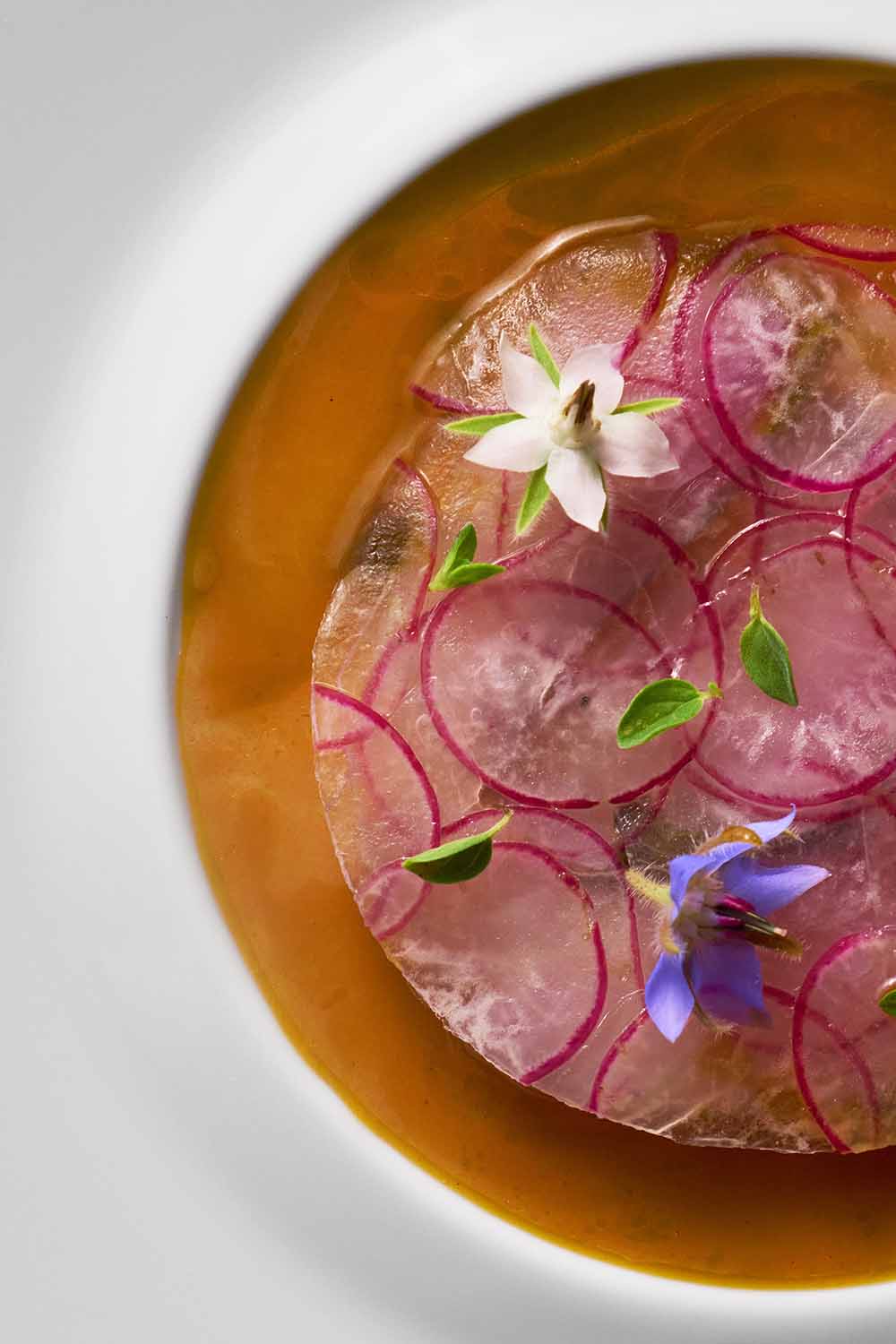
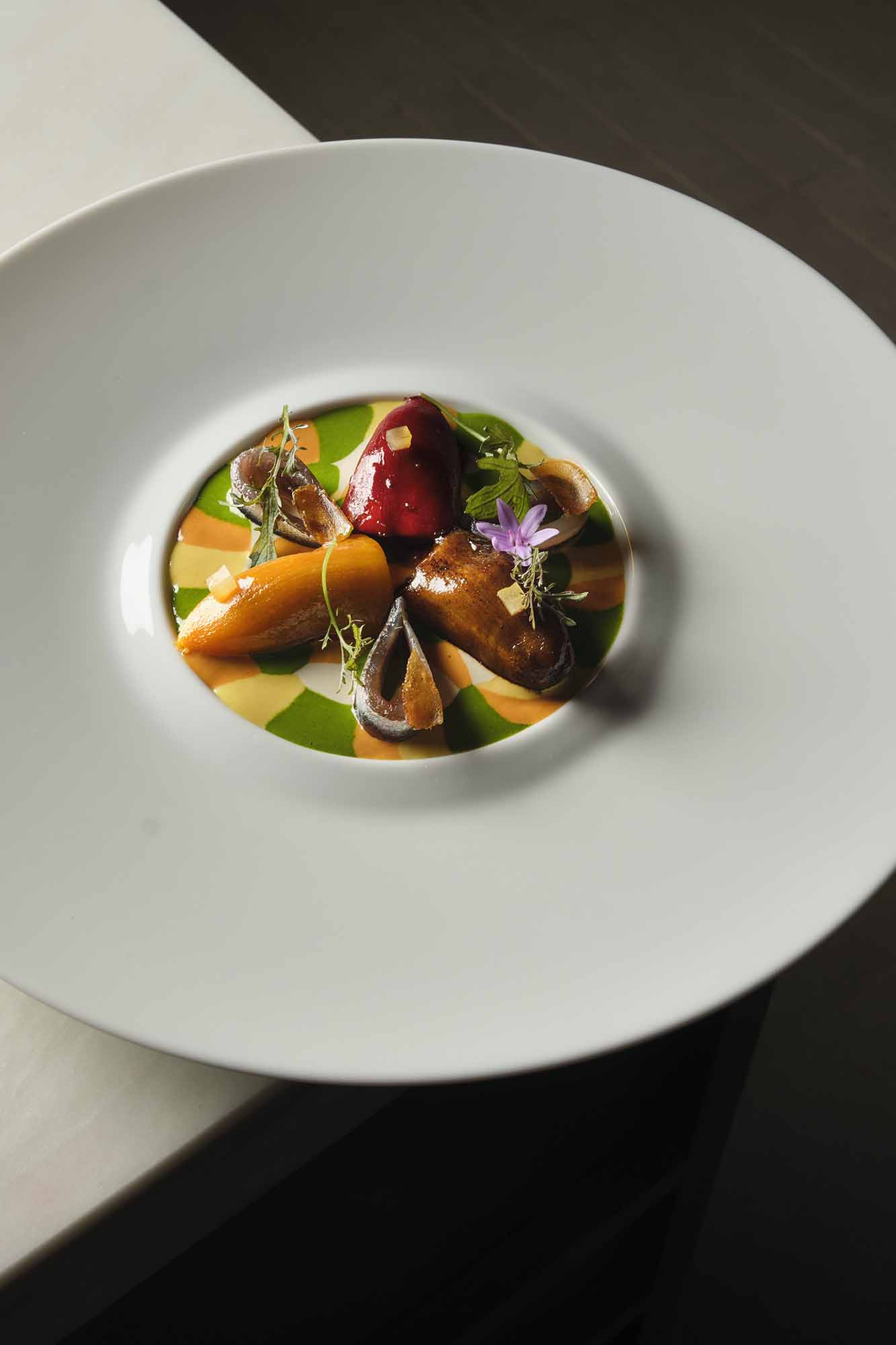
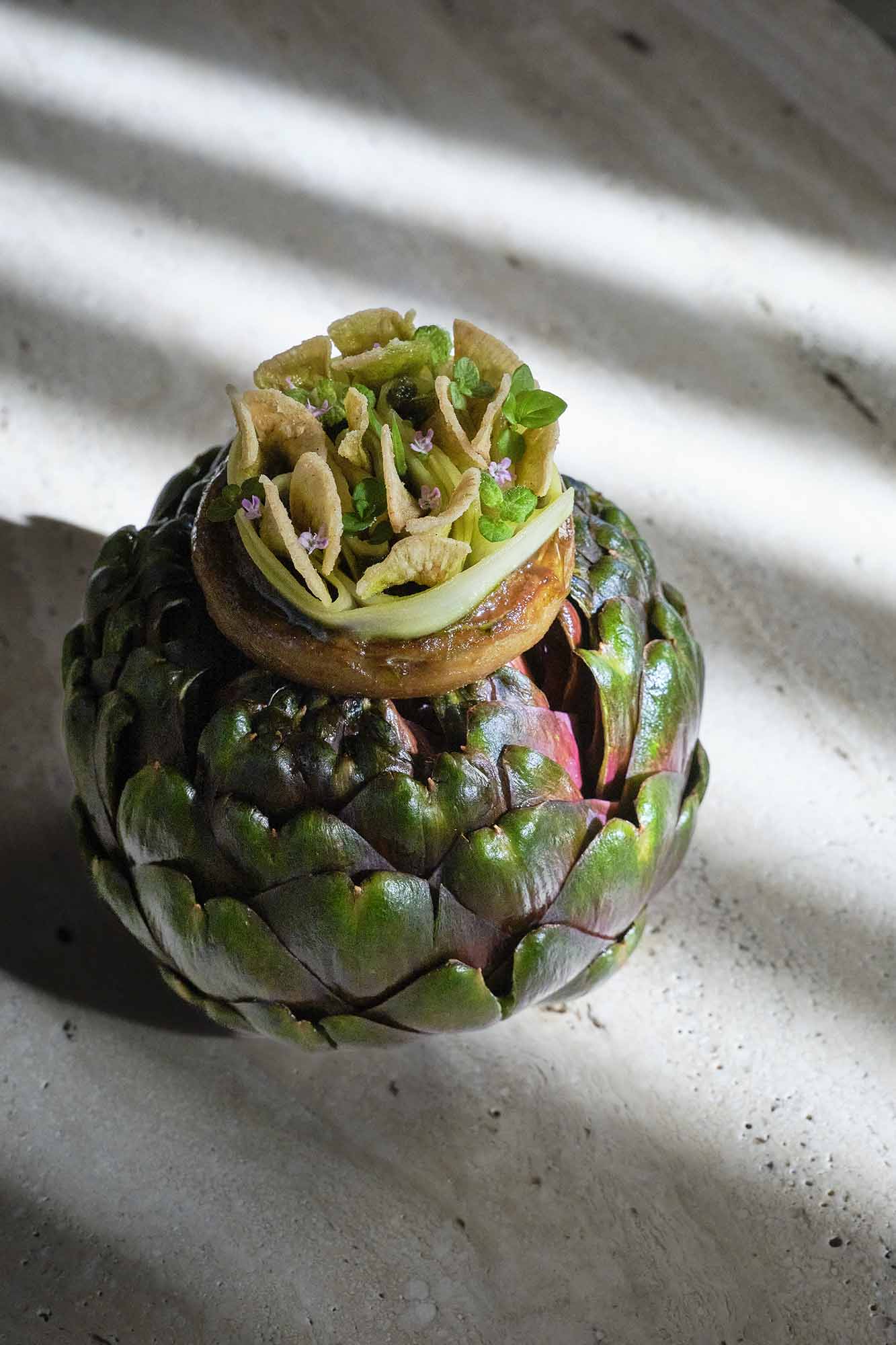
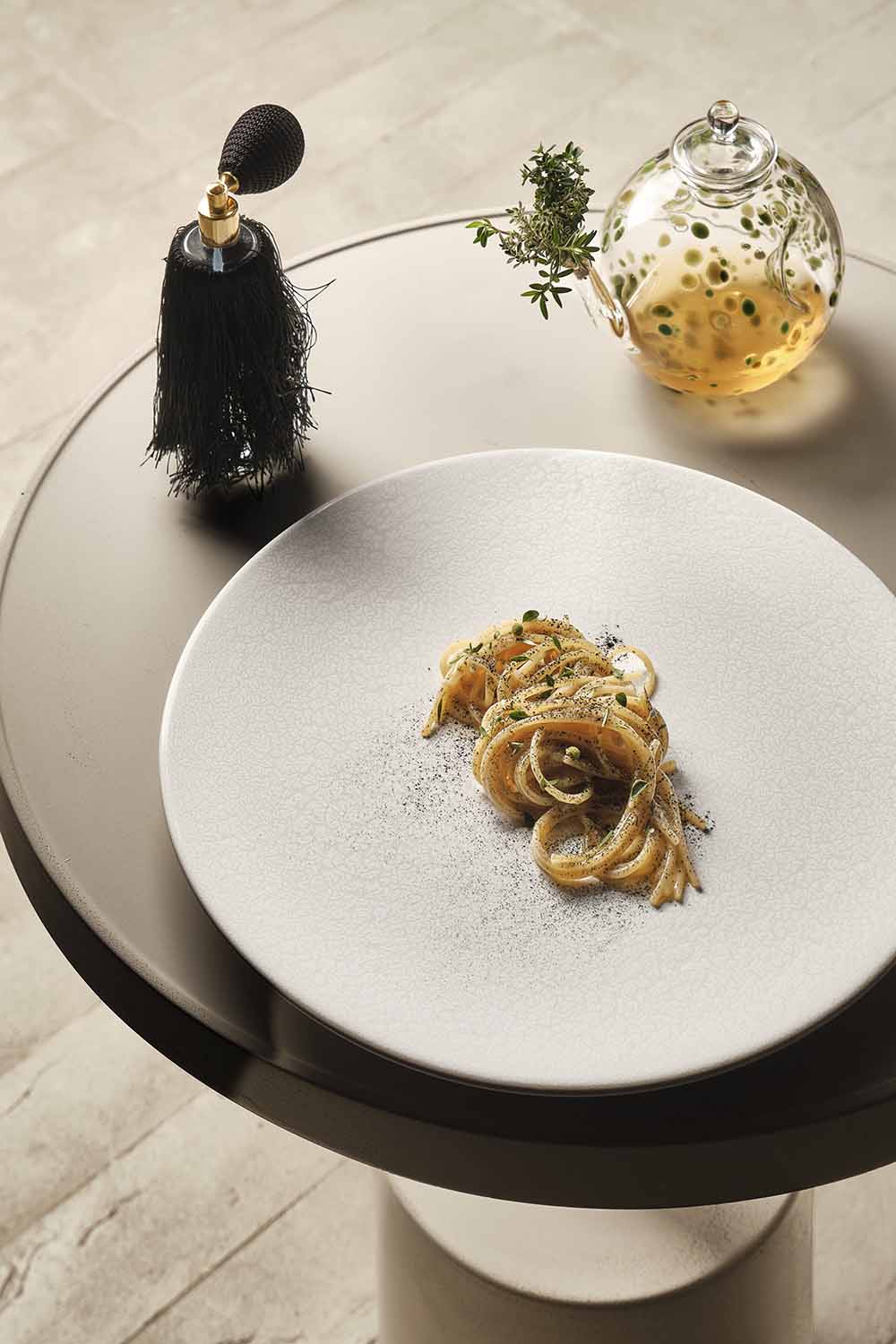
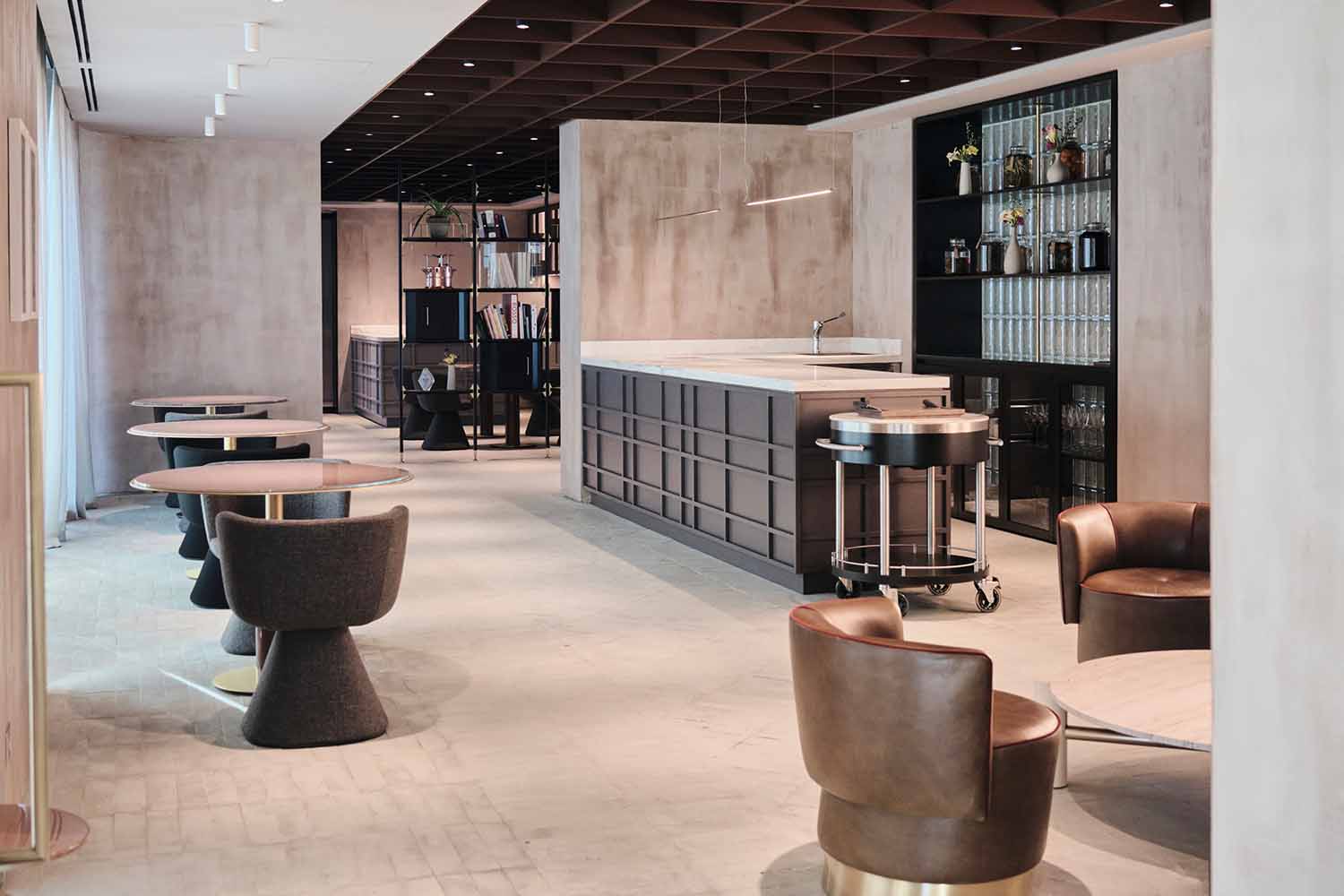
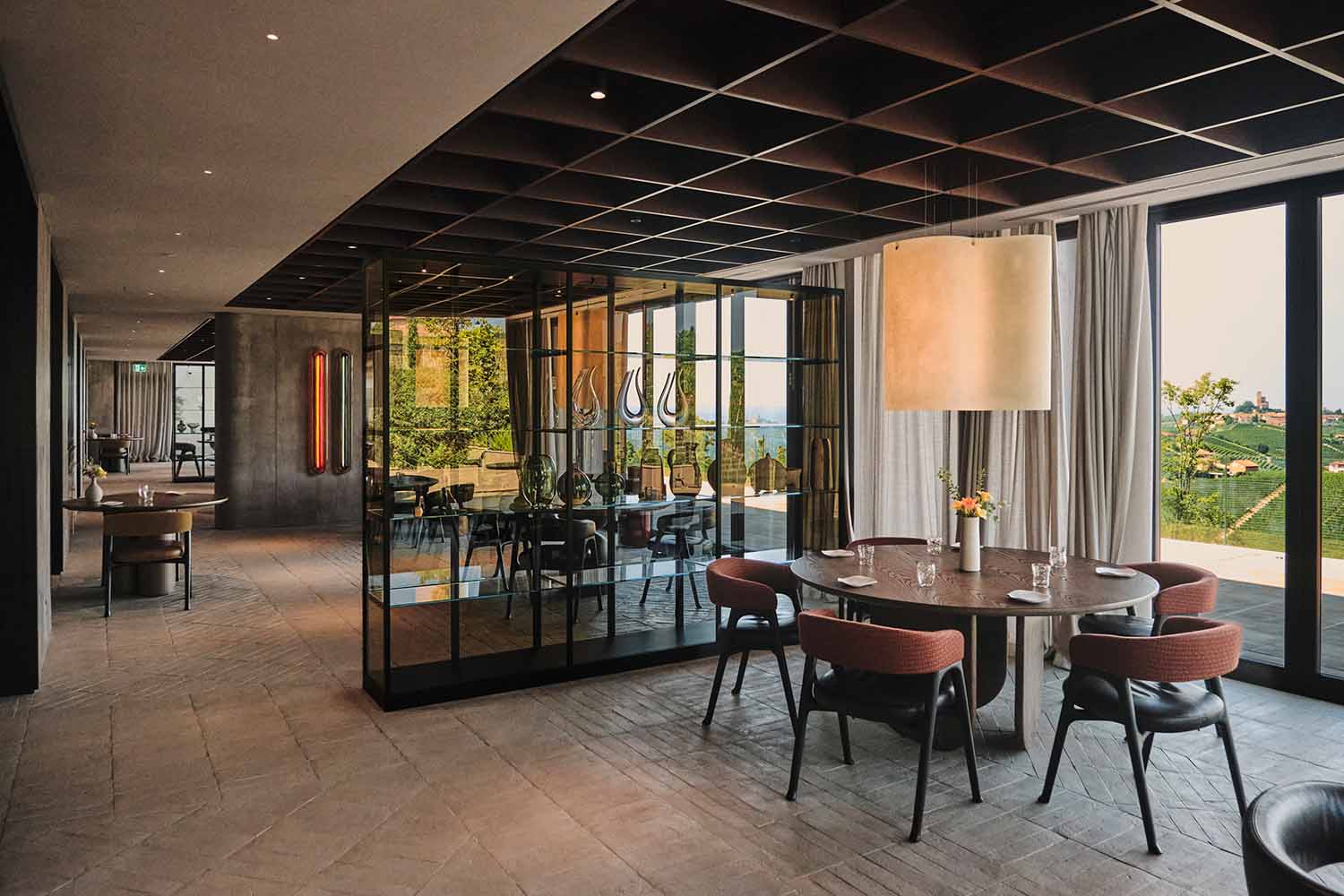
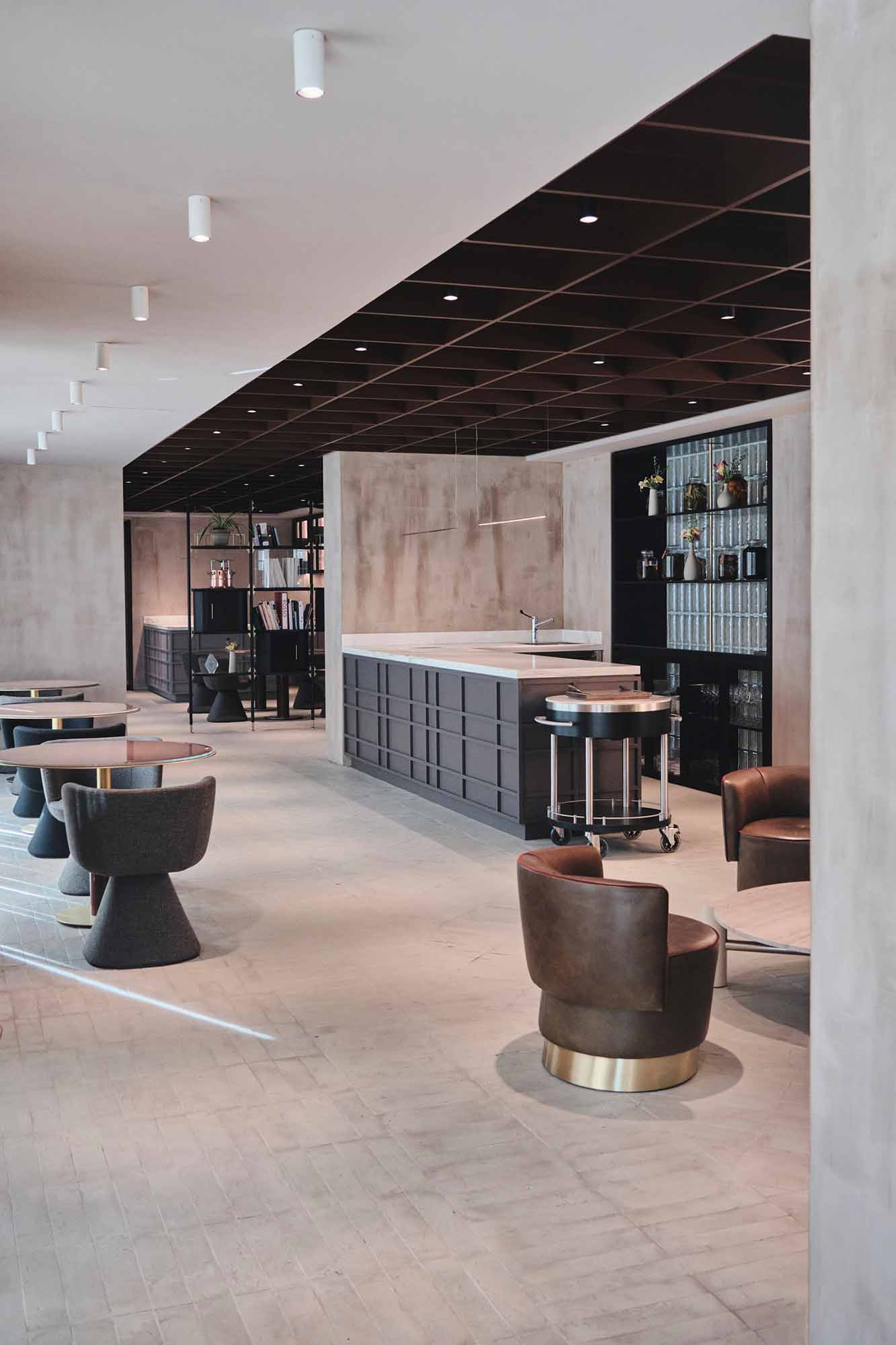
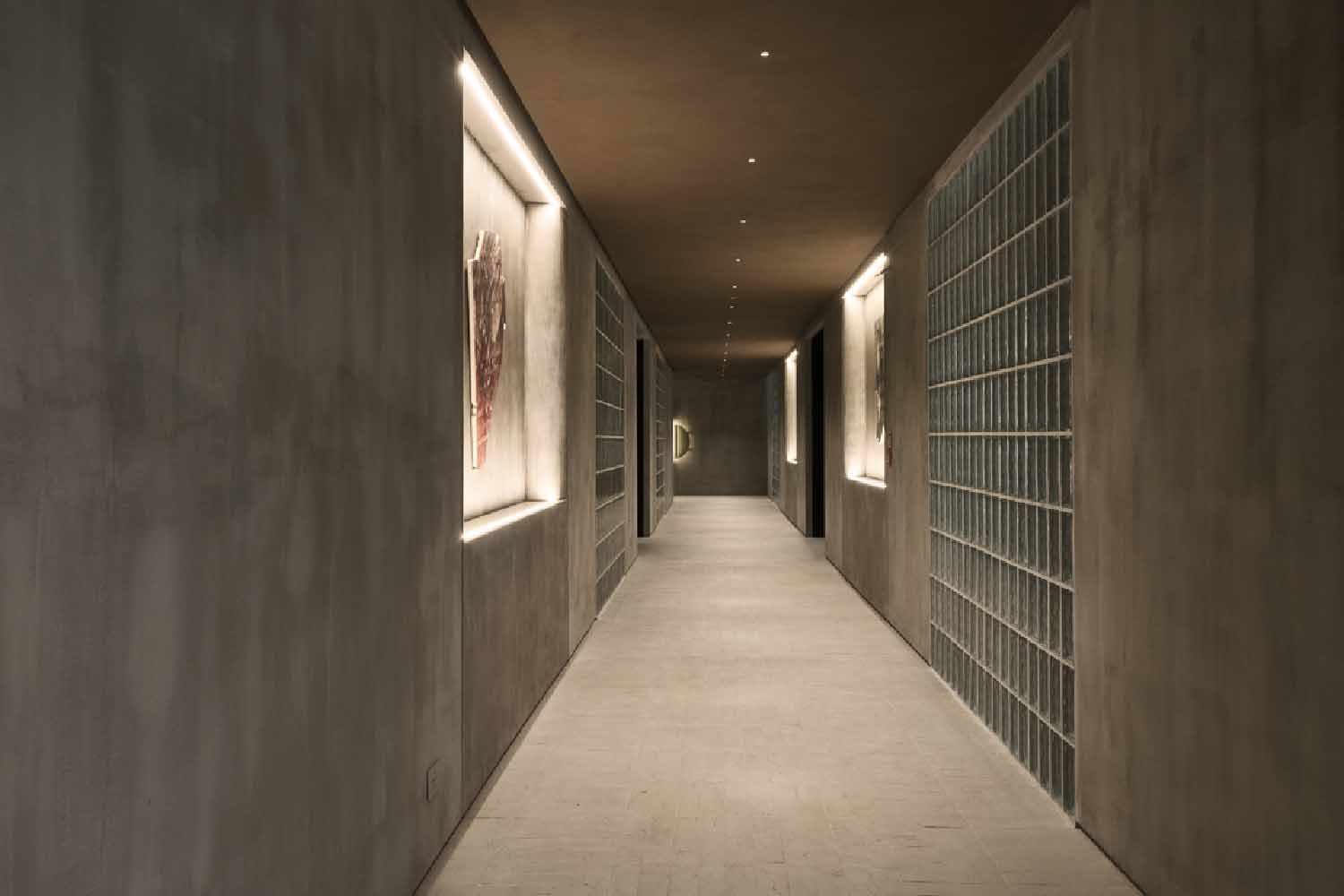
Photos courtesy of La Rei Natura



