
Summer heat is changing the ingredients on your menu


"From champagne to risotto rice, six staples that behaved differently this summer — and what that asks of a kitchen."
Europe's extreme summer weather is not only damaging harvests and pushing food prices higher. It is changing the ingredients themselves. Grapes are ripening with more sugar and less acidity; cows produce less milk with altered fat and protein levels; apples, onions and potatoes are smaller; and water-intensive crops such as risotto rice are under growing pressure. For chefs, this means that climate change is no longer an abstract environmental issue. It is becoming a daily question of flavour, technique, sourcing and menu pricing.
Recent reporting argues that European heat and drought are likely to push food inflation between 3-10% higher in 2027 with forecasters split between roughly 3% (Oxford Economics) and 5–10% (Rabobank), depending on whether they weight the weather or the energy shock more heavily, Fresh produce will be affected first and processed foods following later. But there are more ways in which the increasing summer temperatures are changing responsible fine dining. It reduces supply and availability, alters quality and size and forces kitchens to rethink recipes, sourcing and prices.
- Less harvested food: Lower yields and crop failures affect availability and prices. Many headlines this summer focus on tonnes lost or hectares damaged. That matters for purchasing and for the long-term stability of supply chains. But for a kitchen, the more immediate question is whether an ingredient will be available at all, and at what price.
- Different food characteristics: Heat changes sugar, acidity, starch, fat, protein, size, skin and texture. That changes yield calculations, preparation time and the behaviour of the ingredient in a dish.
- Different rules: Appellations and traditional production methods are based on climatic conditions that are shifting. The rules that define these products assume a climate that no longer exists. When the terroir moves, the meaning of an AOP or DOP also changes.
- Different local ‘cuisine’: Chefs must adjust recipes, purchasing, preservation, pairings and prices. That may mean working with more varieties, accepting irregular sizes, preserving surplus when it is available, building closer relationships with growers and recalculating recipes when ingredients behave differently.
Let’s look at six ‘classic’ staples in the European culinary traditions:
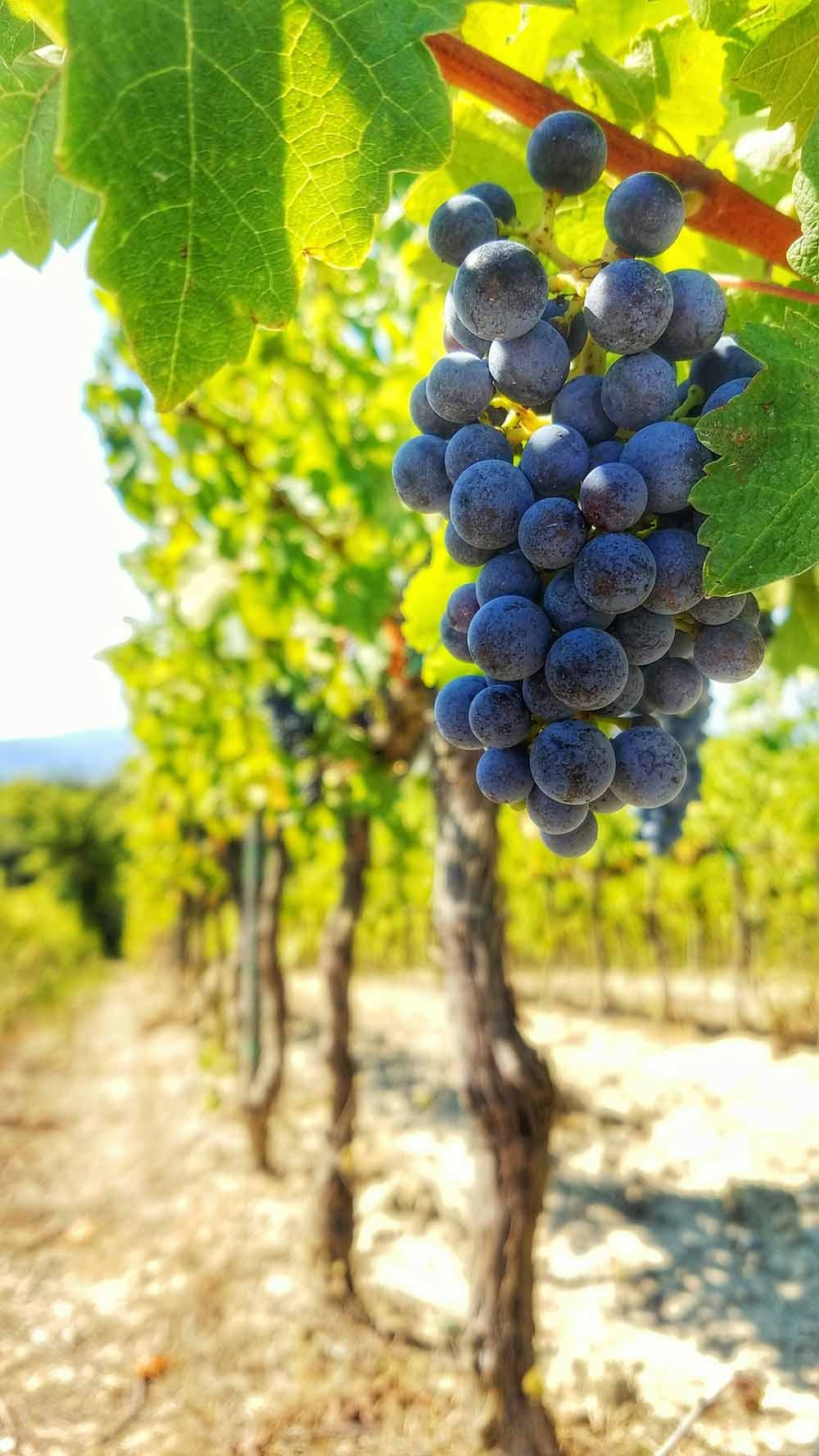
Grapes: earlier harvest, different wine experience. The biggest concern for winegrowers isn't the heat itself, but the lack of water. Vineyards across Europe picked two to four weeks earlier than usual, and in several regions earlier than at any point on record. Champagne announced a mid-August start, earlier than ever recorded, with the yield cap cut to 8,800 kg/ha and the crop expected to fall around 10% year on year. A government decree allowed producers to source three times more grapes or wine from outside the Champagne region, after spring frost destroyed nearly 40% of the buds.
Some Grand Cru Bordeaux estates began picking around 17 August, some weeks earlier than usual. The exceptional heat accelerated the ripening process for the region's grape varieties. Sugar accumulates faster than phenolic ripeness, so you get higher potential alcohol with less acidity. Overripe grapes risk "jammy" wines with higher alcohol and less freshness.
For a sommelier the classic pairing logic starts to slip. A 14.5% white Burgundy behaves differently against butter and acid than a 12.5% one did. On the other hand, the northward shift to cooler climates is happening. The British vineyard area grew 74% between 2018 and 2023. For chefs, this means that familiar wine styles may become less predictable, while new regions and varieties offer alternatives.
Dairy: less milk, different composition. “Heat waves have an impact on dairy wherever and whenever they occur.”, said Alexander Anton, secretary general of the European Dairy Association Milk. Yields can fall by up to 10% during acute heatwaves. In some Belgian farms, the decline was up to 25% or more. In Germany, farmers reported cows no longer voluntarily approaching the milking robot.
Heat-stressed cows produce less milk, and the milk they do produce contains less fat and protein. That affects butter yield, cheese yield and curd formation. Less fat means lower butter yield and softer, less stable butter; lower protein means lower cheese yield per litre and different curd behaviour. A Gruyère or Beaufort d'alpage is defined by the alpage, cows eating high-summer mountain herbs. Bring them down in August and the cheese is literally not the same product. Will AOP/DOP rules written for a stable climate survive a summer like this one?
For pâtissiers and chefs, this means that dairy products may become more expensive and less consistent. Butter may behave differently in sauces and pastry. Cheese may yield less and mature differently. Patisserie that relies on specific dairy characteristics may need to adapt.
Olive oil: from cooking fat to a measured costly ingredient. The wildfires in Greece, Italy and Portugal brought heat damage to olive fruit size and wind-blown ash. But there was more: pest and disease pressure, severe storms. Producers expect a further price surge later this year as weather-related losses reduce production. Retail premium extra virgin has roughly doubled since 2020. Greek wholesale from €5–7 per litre to €11–15 per litre over the same period.
Repeated bad years damage the trees themselves. Yields stay depressed even when the weather normalises. As prices rise, chefs are likely to use premium extra virgin olive oil selectively: a neutral oil for high-volume cooking, and extra virgin oil as a measured finishing ingredient. Supply may shift towards Turkey and Tunisia -where yield is equal or even up compared to five years ago-, forcing restaurants to be precise when describing the origin of the oil used at the table.

Fruit and vegetables: smaller, different, more labour intensive. Prices for fruit and vegetables increased against July 2025: courgettes +32%, tomatoes +31%, green beans +24%. This is a long-lasting development, since 2015, fresh fruit prices in France are up 54% and fresh vegetables up 62%. But there is more, the volumes are down. A grower in Aveyron salvaged 10 kilograms of green beans from a 400-kilogram harvest; and an apple grower in Loire-Atlantique saw fruit size divided by three and roughly 75% of orchard production compromised.
A tomato or apple that ripens under heat stress is smaller, with thicker skin and a different sugar-to-acid ratio. It's not just less produce, it's different produce, and it changes yield calculations, prep time and plating. For example, using three small apples where one large one used to be means costings, peeling labour, waste and finished texture all change at once. This means that familiar recipes and preparation times may no longer apply.
Potatoes: a texture and technique problem. Drought and heat create an increasingly visible impact on crop quality and market stability and could lead to unavailability. Higher temperature in surface water reduces oxygen availability and limits plant productivity: some growers who harvested 70 tons a hectare of Fontane last year expect 45 to 46 this year. There is significant secondary growth. Secondary-growth potatoes are a texture and technique problem before they're a price problem. They cook unevenly, because the outgrowth carries different starch and sugar content. Exactly what ruins a purée or a pomme fondant.
In the cuisine, familiar techniques may fail with stressed crops. A purée that used to be smooth may become grainy. A fondant that used to hold its shape may fall apart. The solution is not simply to cook longer or harder, but to understand how the ingredient has changed.

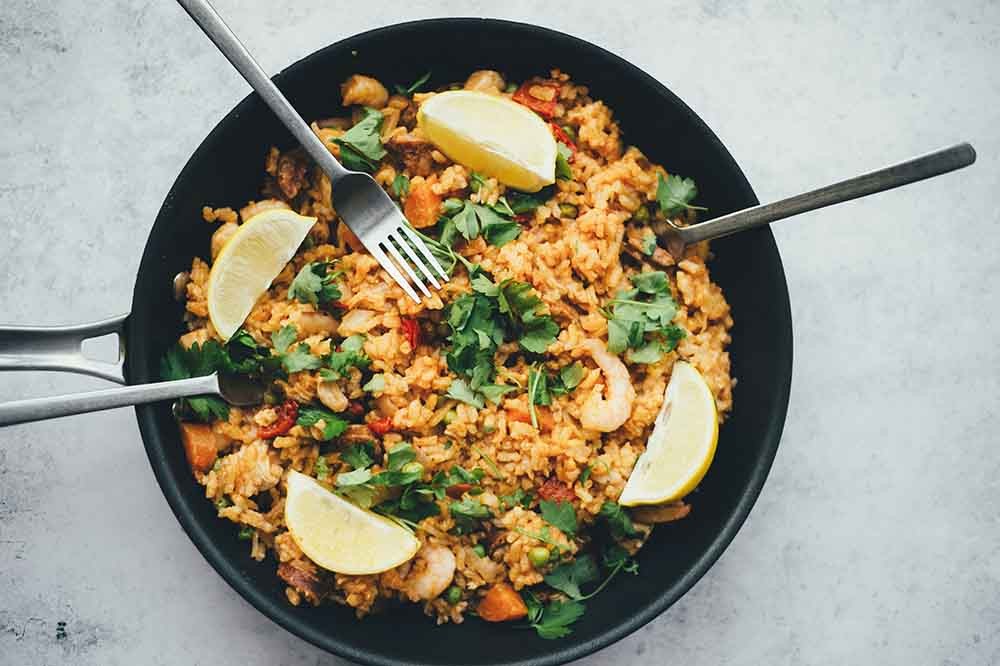
Rice: when the staple changes the risotto or paella. Multiple northern Italian waterways were in a critical situation through June 2026, with lakes being drained to sustain the Po and its tributaries. Temperatures exceeded 30 degrees during a critical growing phase, and farmers said they needed 50mm of rain without hail. Pavia, Vercelli, the Po delta, Lombardy and Piedmont are all affected; multiple fields risk partial or total crop failure.
Carnaroli and Arborio - the varieties prized for risotto- are the water-hungry ones. The heat pressure pushes growers toward drought-tolerant and dry-seeded rice varieties, which don't behave the same in a risotto. Different amylose content, different mantecatura. The same story runs, differently, at the Ebro Delta for paella rice. The risotto may require a different cooking time, stock ratio or finishing method, even when the recipe remains unchanged.
Why prices may keep rising in autumn and winter
A hot summer is the most visible reason kitchen invoices are rising. But energy is the bigger number. After Middle East tensions unsettled the markets, prices for oil and gas are 60-68% above pre-war levels. Flows through the Strait of Hormuz, a route carrying much of the world's oil, fuel and fertiliser are down to around 80% of normal. Energy accounts for anywhere between 5 and 50 per cent of what it costs to make food. And because manufacturers negotiate prices once a year, that shock does not trickle through gradually; it locks into the 2027 contracts in a single step. Fertiliser follows the gas price, so the same shock returns next spring as a cost in the field.
Forecasters give better than 90 per cent odds on a very strong El Niño through this autumn and winter, which on its own may add as much to food prices as Europe's heatwaves did. Cocoa is the most exposed: Ivory Coast and Ghana grow roughly half the world's crop, and every strong El Niño of the past fifty-five years has cut output. Robusta coffee and sugar are in the same queue.
Be prepared to adapt, change and adjust
The question for chefs and restaurateurs is no longer whether climate change will affect the menu, but how quickly they can adapt. That may mean building closer relationships with growers and recalculating recipes when ingredients behave differently. It may mean explaining changes to guests: why a dish costs more, why a familiar cheese tastes different or why an ingredient appears only briefly.
The most resilient kitchens will not try to pretend that nothing has changed. They will treat changing ingredients as a reason to become more observant, more flexible and more creative. Climate change will not remove every traditional dish, but it will make its ingredients less predictable. The kitchens best prepared for the future will monitor quality as closely as price, work flexibly with growers and adapt recipes when the raw material changes. For chefs, this is a challenge, but also a creative opportunity.
A dish protected by tradition may quietly change through its raw material rather than through any chef's decision.





