Peas: Vegetable of the Year 2026
In 2026, peas step confidently into the spotlight as the Vegetable of the Year. Small, vibrant, and remarkably versatile, peas represent everything modern gastronomy and agriculture stand for: health, sustainability, and culinary creativity.
Origin and history
Peas are among the oldest cultivated crops in the world. They originated in the Mediterranean and Near Eastern regions and have been grown for thousands of years. Over time, they spread across Europe, Asia, and eventually the Americas, becoming a staple ingredient in countless traditional cuisines. Today, peas are cultivated worldwide and play an important role in both fresh markets and food innovation.
Nutritional Benefits
Peas may be modest in size, but they are nutritionally powerful:
- Rich in plant-based protein, supporting muscle health and plant-forward diets
- High in dietary fiber, promoting digestive health
- Source of vitamins such as vitamin C, vitamin K, and several B vitamins
- Packed with minerals including iron, magnesium, and potassium
- Naturally low in fat and cholesterol-free
Their nutritional profile makes peas an essential ingredient in healthy, balanced, and future-proof food concepts.

Sustainability Impact
As legumes, peas have a unique environmental advantage. They naturally fix nitrogen from the air into the soil, reducing the need for synthetic fertilizers. This improves soil health, lowers environmental impact, and makes peas an excellent crop within regenerative and sustainable farming systems.
Varieties of Peas
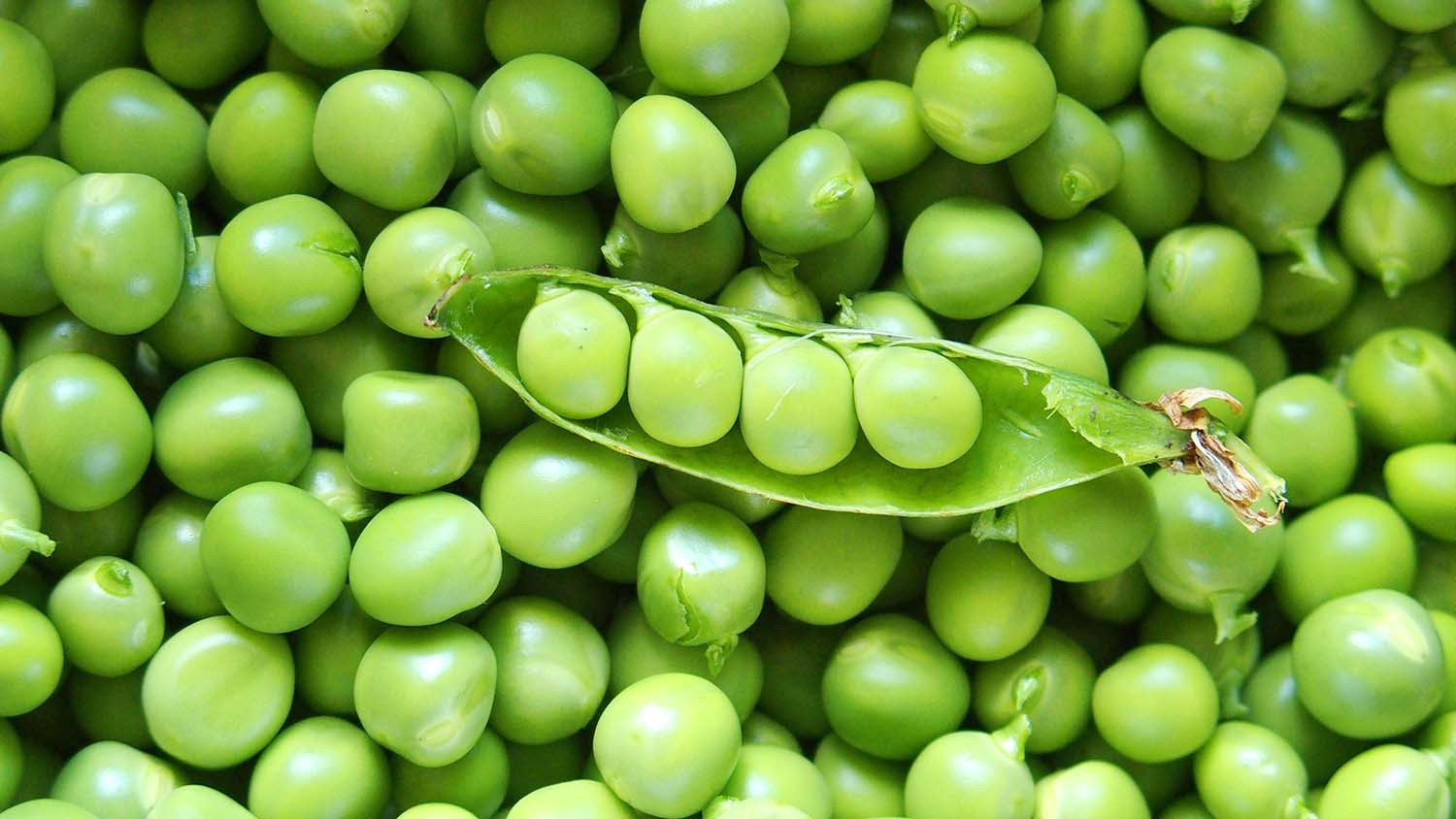
There are several well-known types of peas, each with its own culinary application:
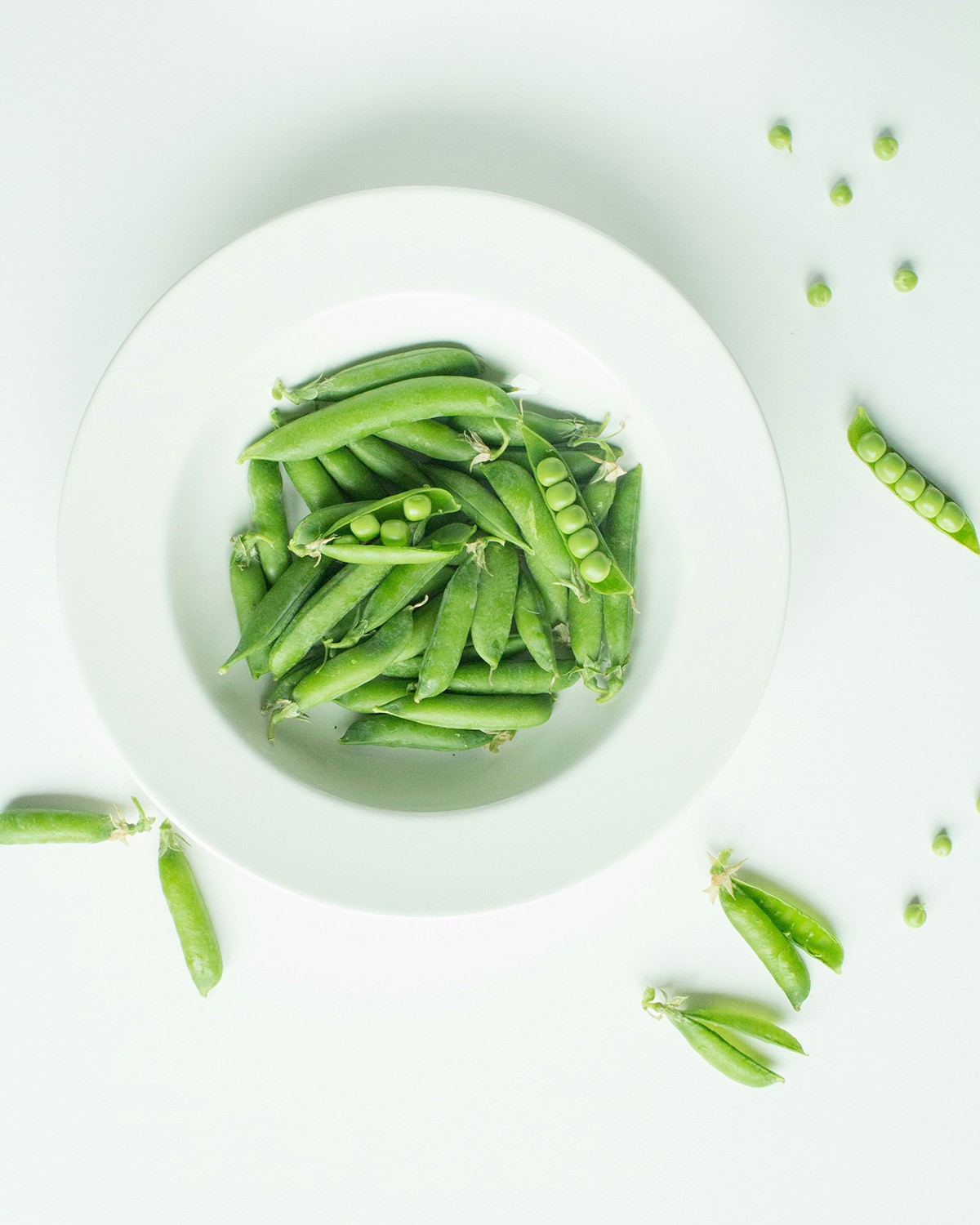
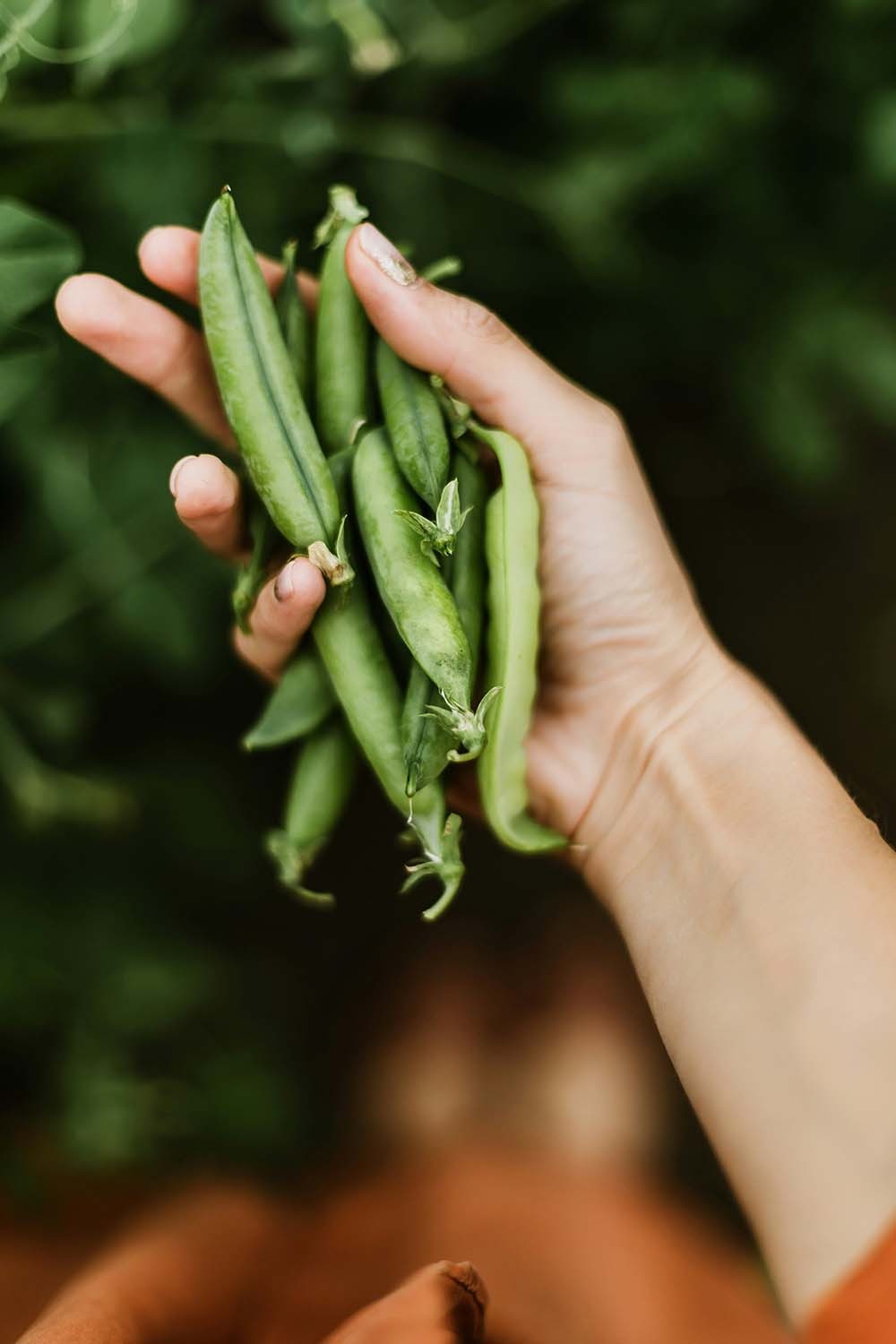
- Garden peas (green peas) – Sweet and tender, commonly used fresh or frozen.
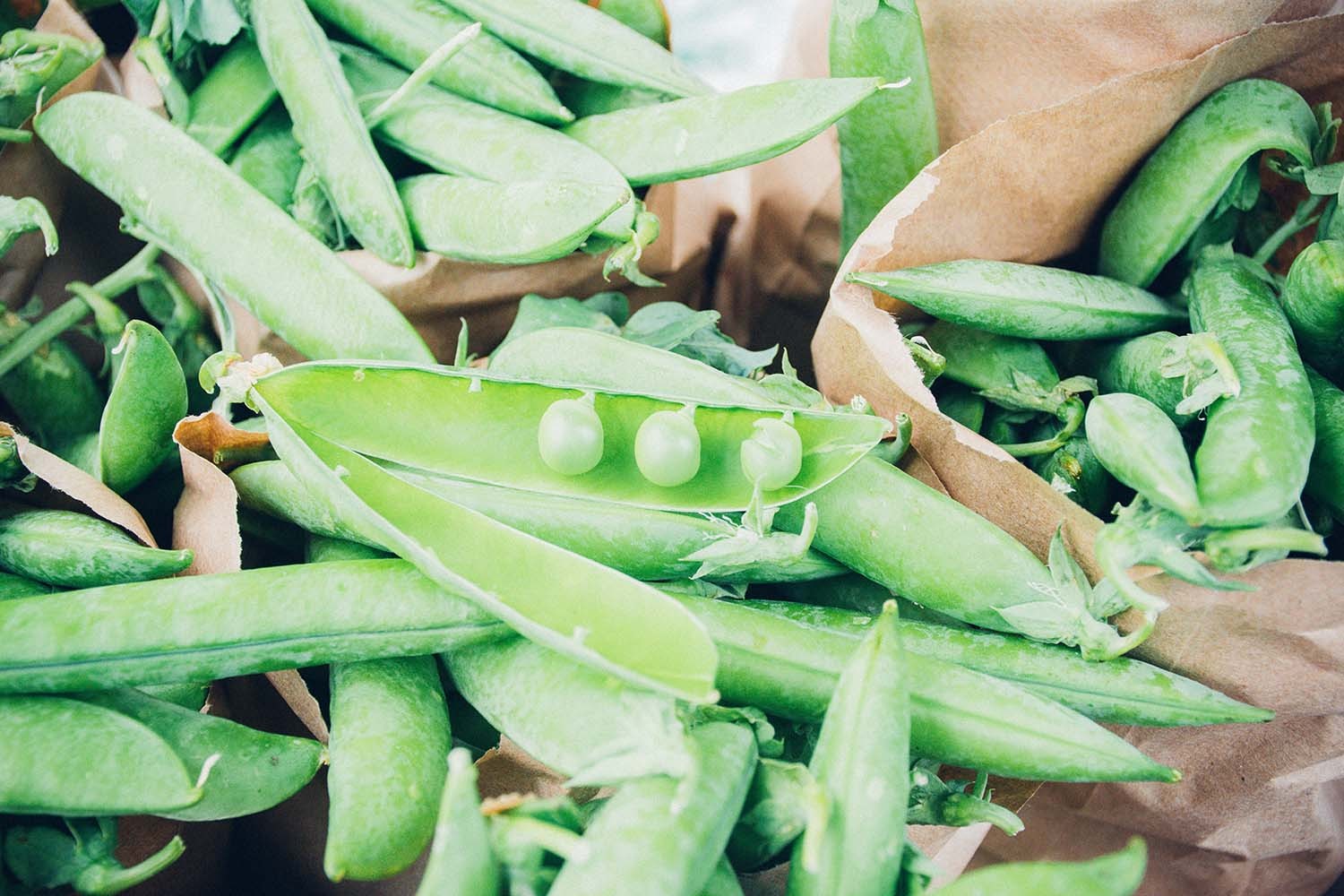
- Snow peas – Flat pods that are eaten whole, popular in stir-fries.
- Sugar snap peas – Crisp and juicy, combining sweetness with a satisfying crunch.
- Split peas – Dried and split, ideal for soups and purées.
Beyond these traditional forms, peas are increasingly processed into innovative ingredients such as pea protein, pea flour, and fermented pea-based products used in plant-based alternatives.
Culinary Inspiration
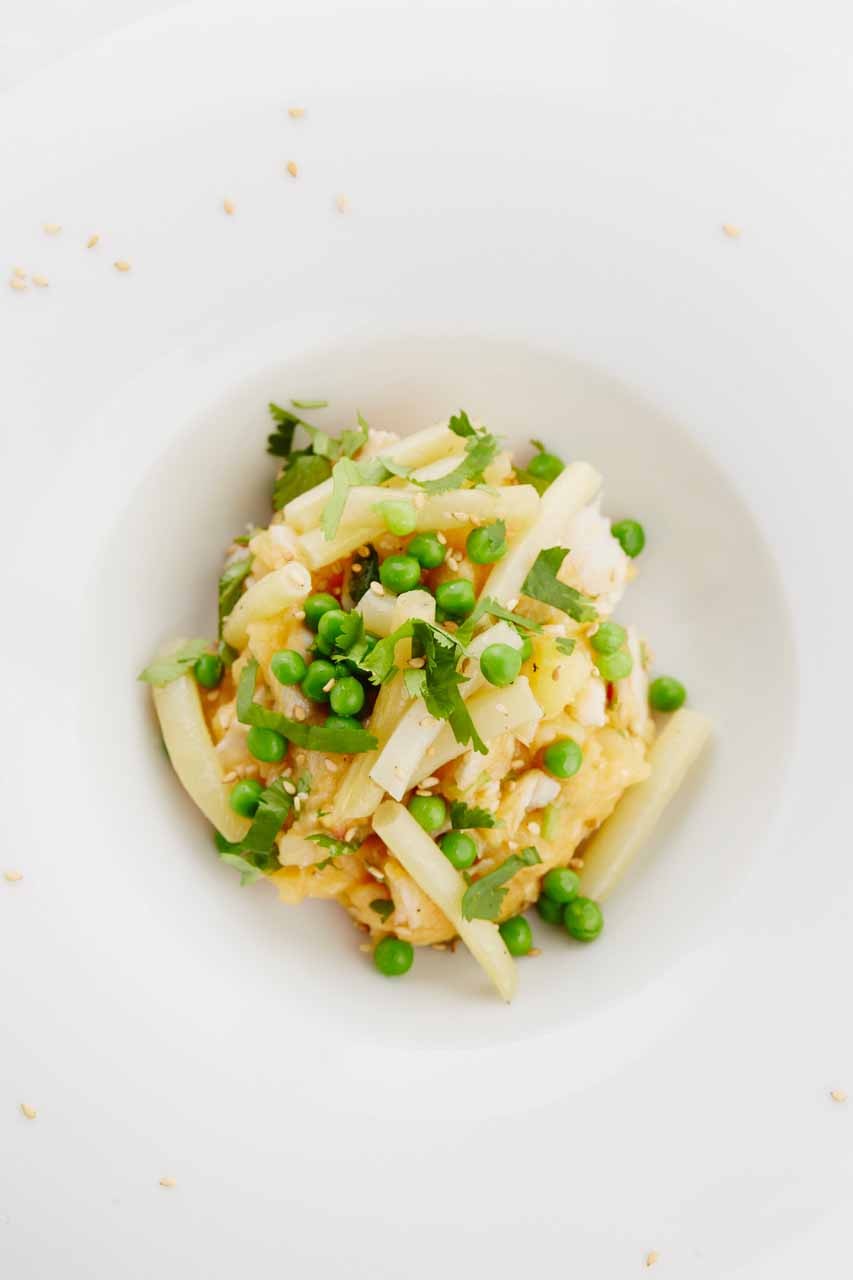
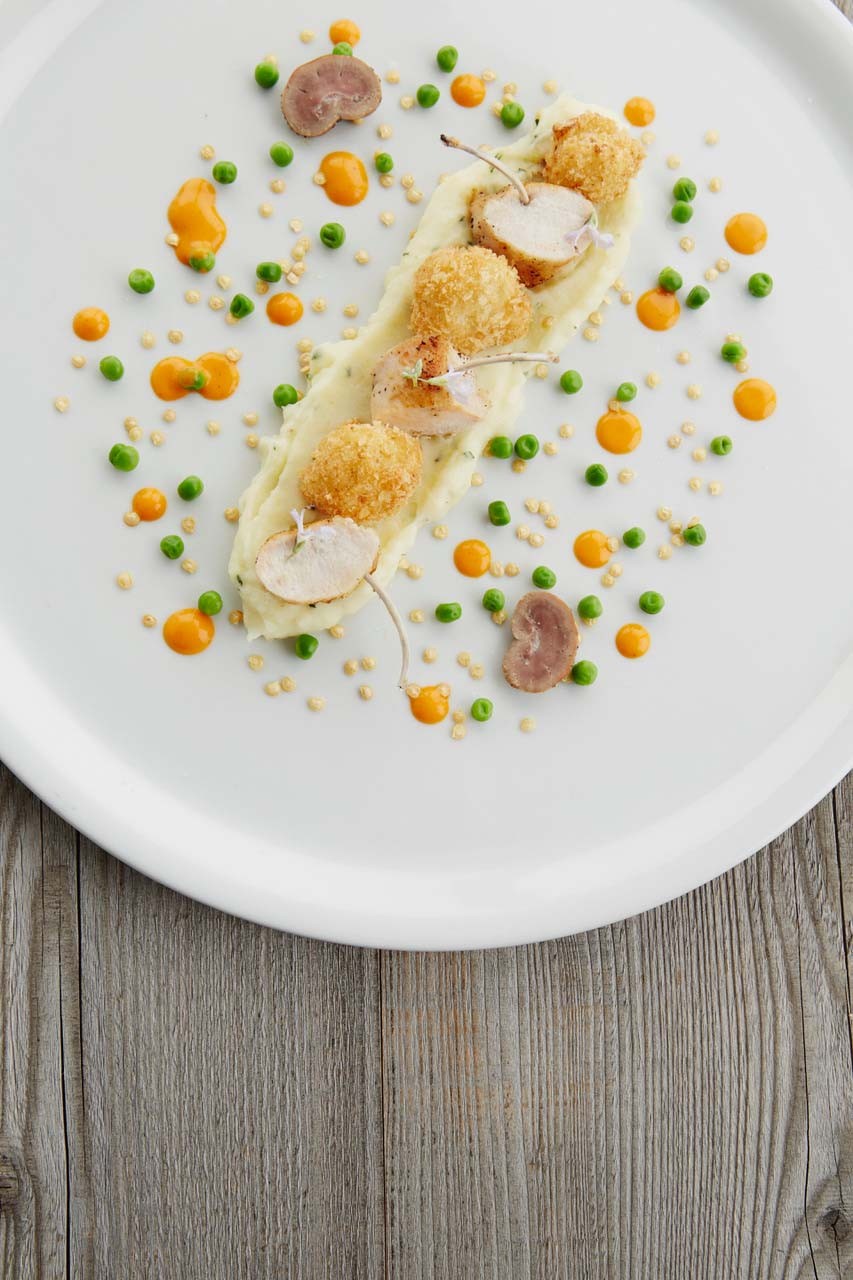
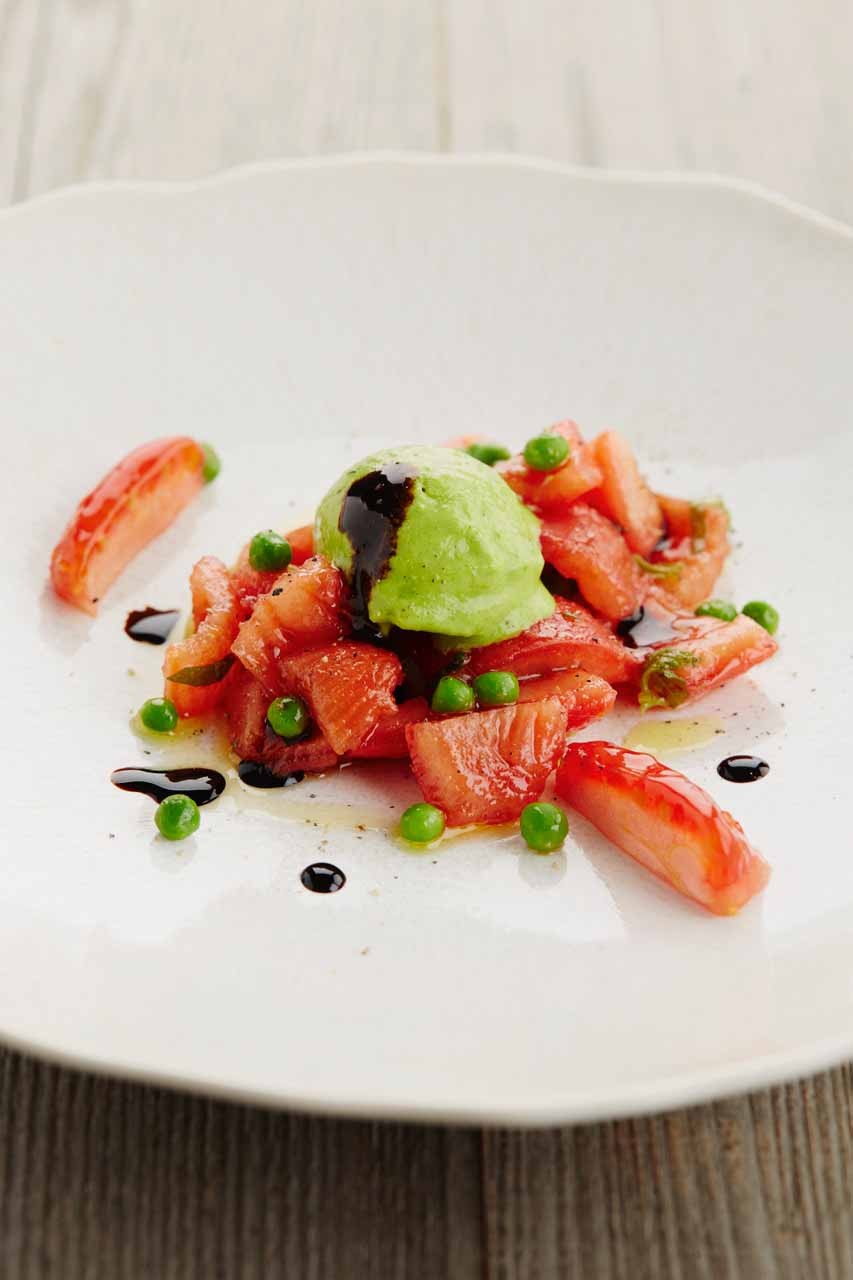
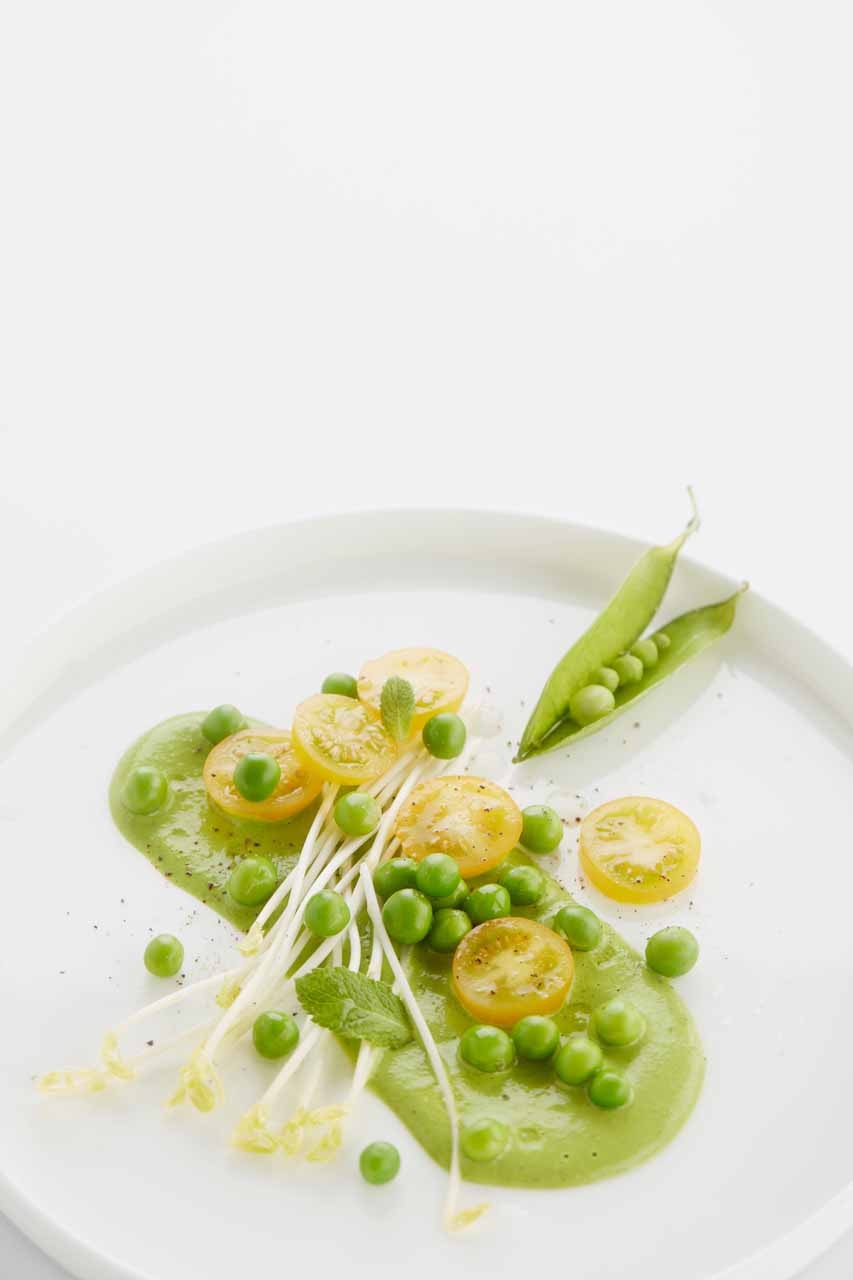
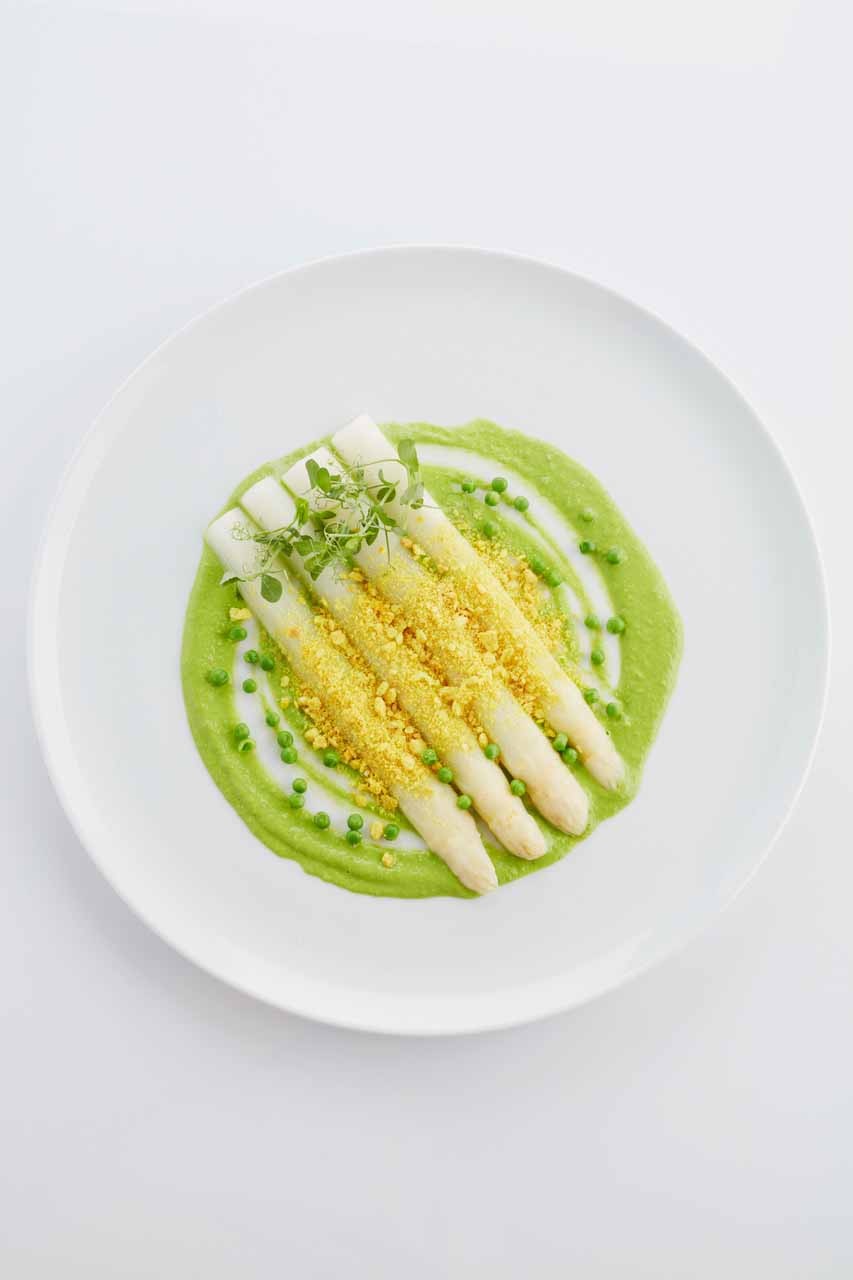
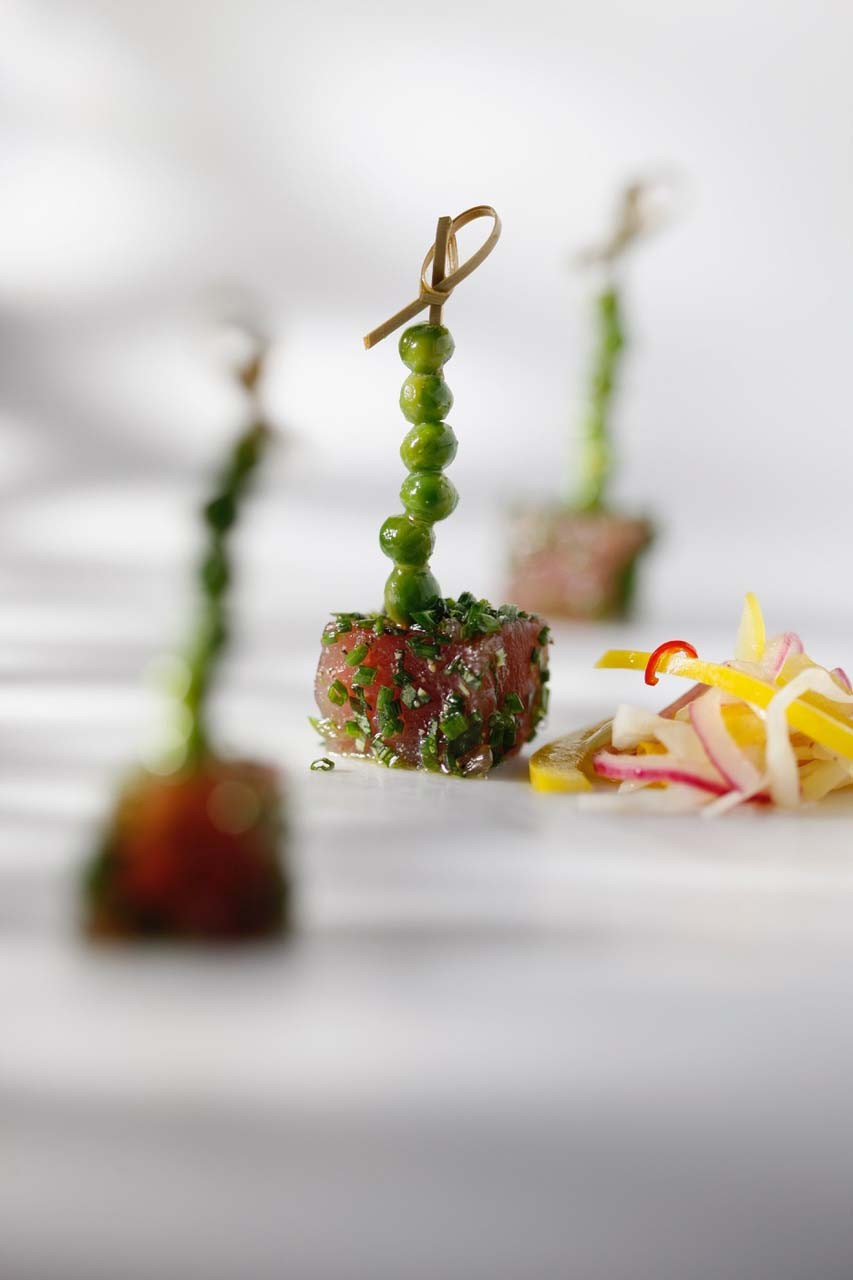
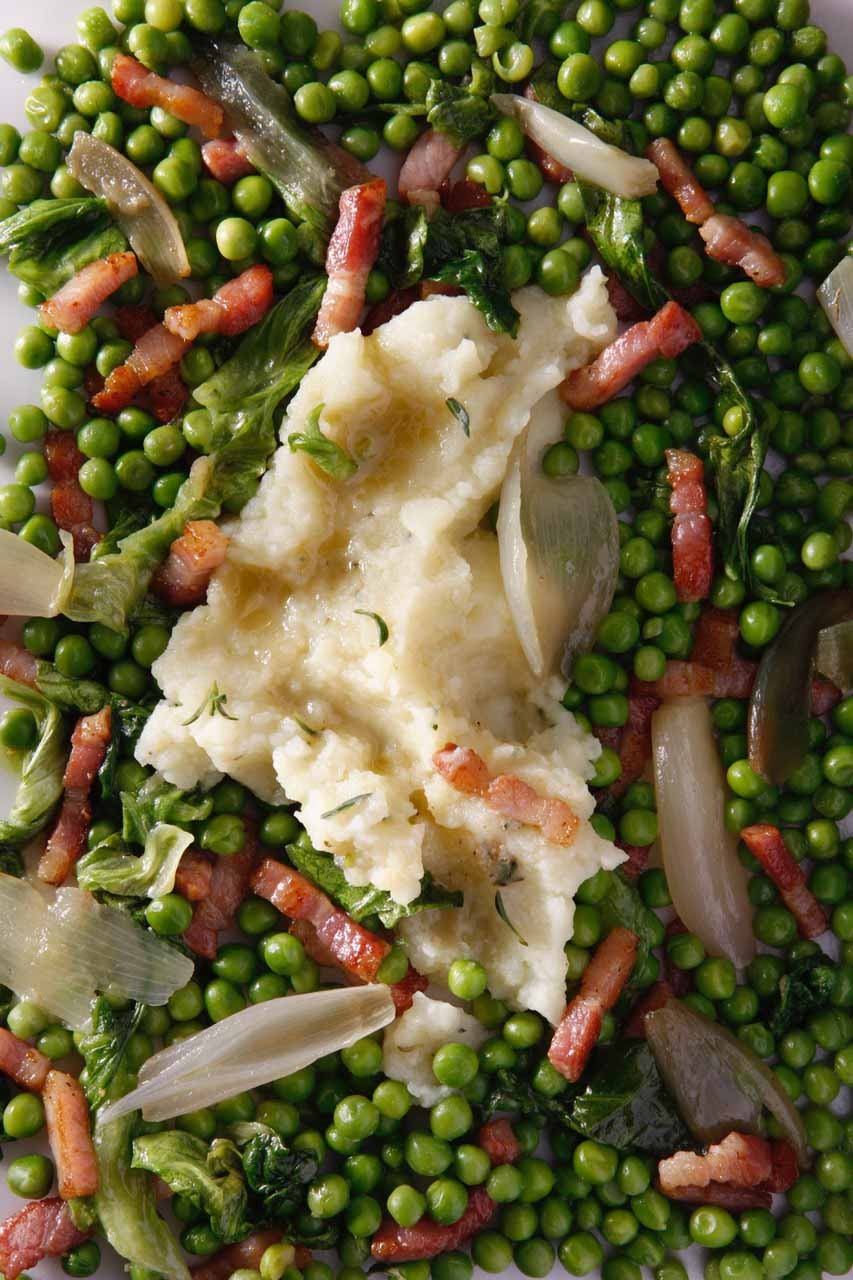
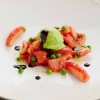
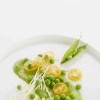
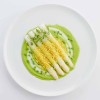
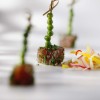
From refined fine-dining creations to comforting home cooking, peas adapt effortlessly. They bring freshness, natural sweetness, texture, and vibrant color to dishes. In plant-based gastronomy, they are becoming a key building block for new textures and flavors.
In 2026, peas remind us that the future of food can be simple, sustainable, and surprisingly powerful — proving that great things truly come in small green packages.